Much of what you handle every day on a boat is above deck: the lines you make fast, the fittings you reach for when coming alongside and the gear you rely on when anchoring or sailing. Chandlery Above brings those practical parts of boating together. It covers everything from boat fenders and mooring equipment to winches, marine rope and the smaller fittings that keep a deck working as it should.
Anchoring & Mooring Equipment
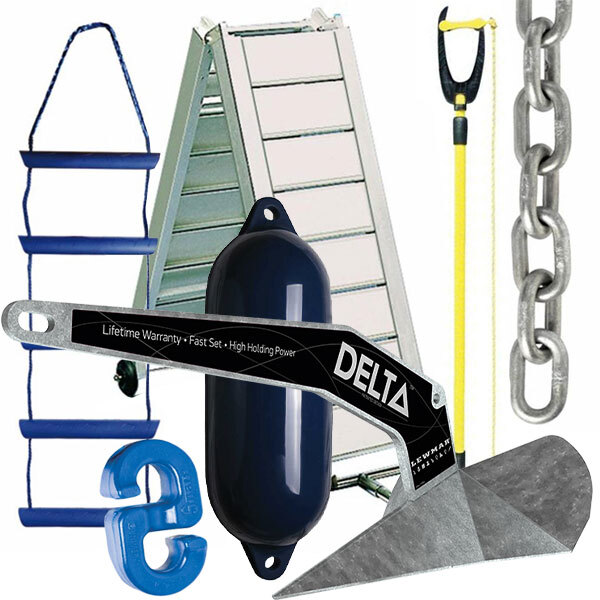
Dropping anchor for an afternoon and securing the boat in its usual berth are different jobs, but both depend on equipment that suits the boat and works together. When choosing from our boat anchors, think about the ground tackle you will use with the anchor and how it will be handled and stowed on board. Anchor lines, chain, bow rollers and stoppers all form part of that arrangement. If you use a windlass, its compatibility with the chain and the space available at the bow matter too.
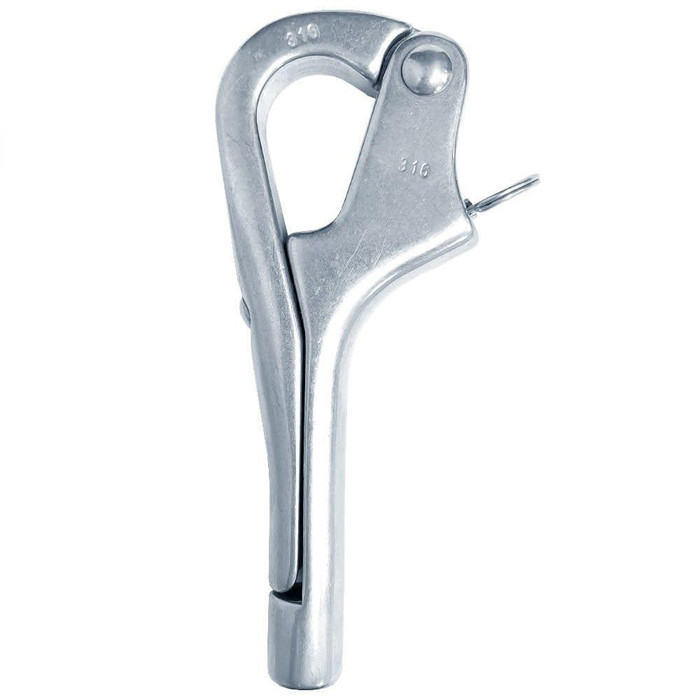
The anchoring and mooring range also covers the jobs that begin as you approach a berth: picking up a line, securing the boat and getting everyone aboard or ashore. You will find boat hooks, mooring buoys, boarding ladders and gangways here. Where movement at a berth repeatedly pulls on the lines, mooring compensators and snubbers are worth considering as part of the complete mooring setup.
Boat Fenders
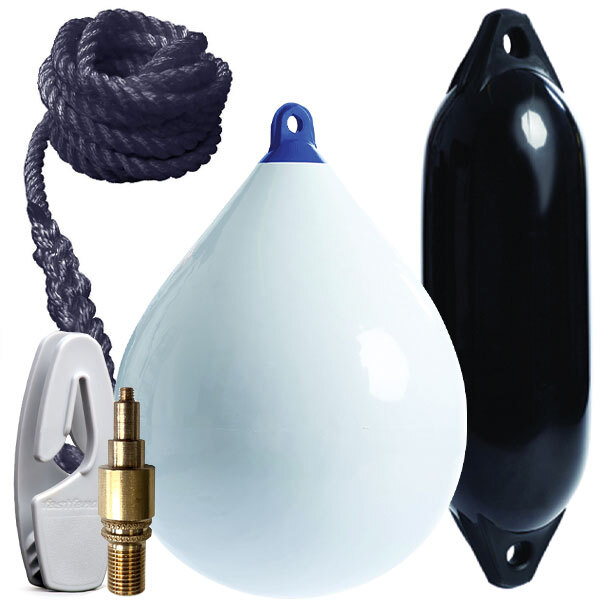
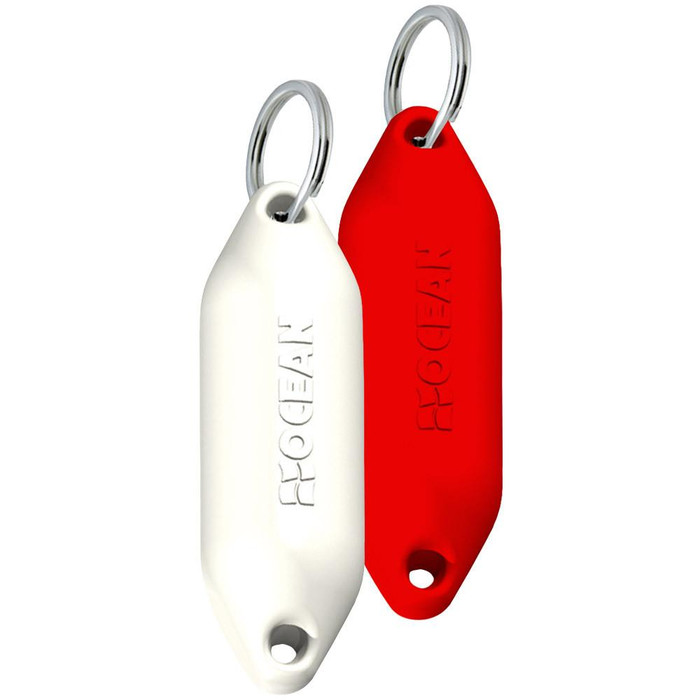
A fender only helps if it sits where the boat needs protection. That position can change with the height of a pontoon, the shape of another hull or the tide at a quay. The boat fenders range includes cylindrical, buoy and bow shapes, along with narrowboat fenders and packs for fitting out more than one position. Choose with your freeboard and usual berths in mind, then allow for the places you visit less often.
At a regular berth, dock fenders may be useful where the boat frequently comes alongside the same edge. The way a fender is hung deserves attention as well: suitable fender ropes make it easier to set its height for the conditions. Baskets, socks and inflation equipment help with stowing and looking after the fenders you already have.
Boat Winches
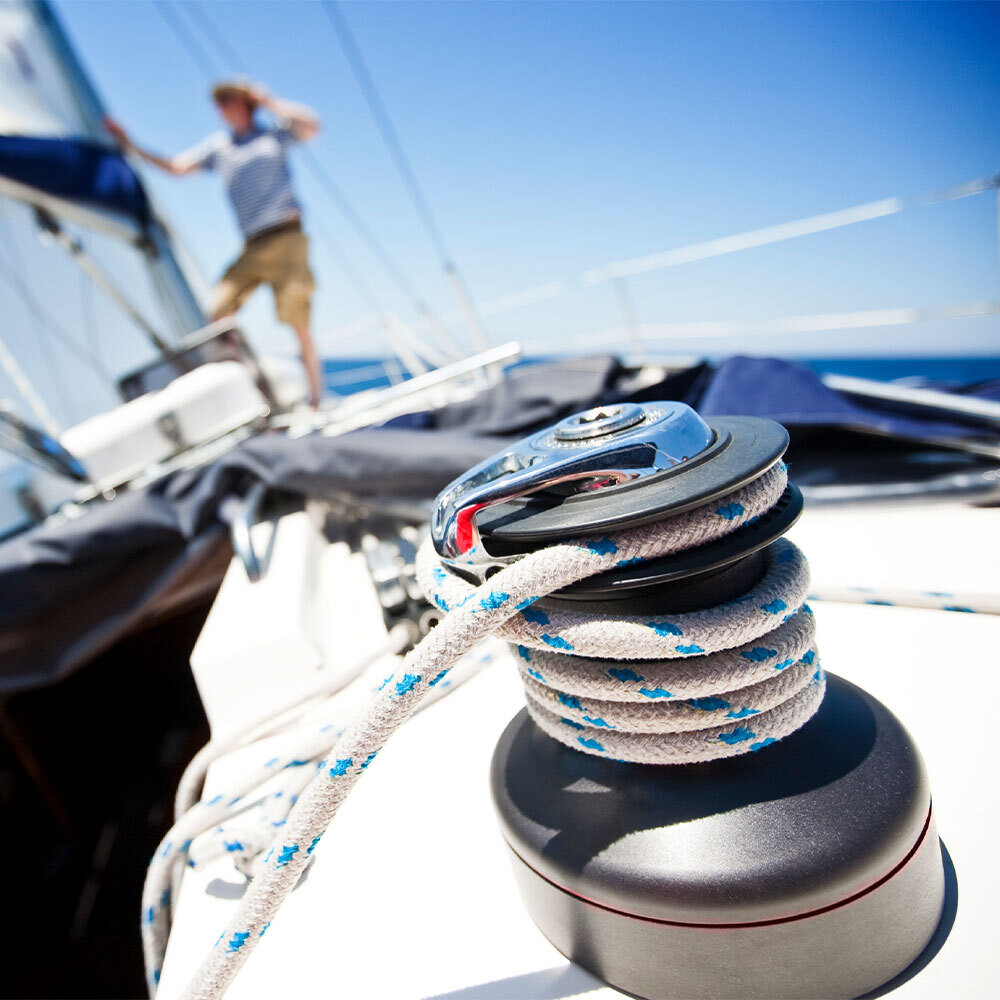
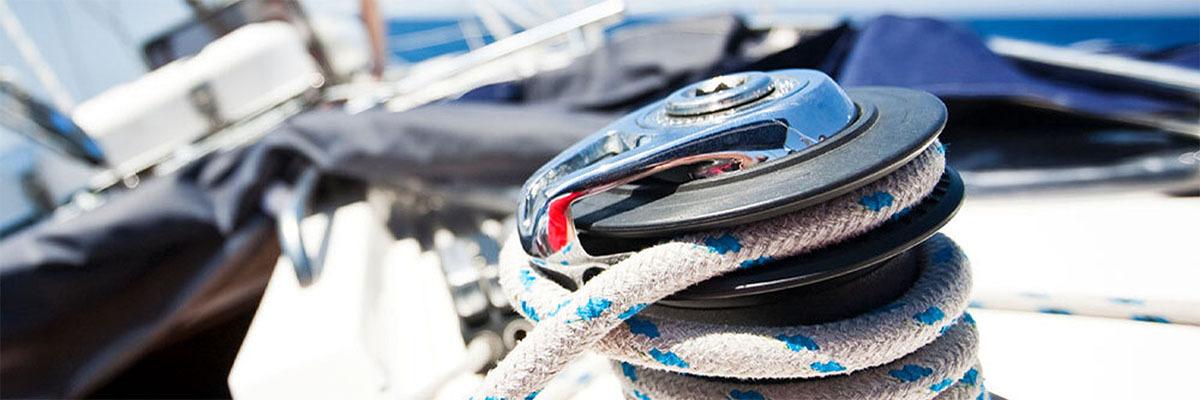
On a sailing boat, a winch gives you the purchase to bring in a sheet or manage another loaded line. If you are replacing one, it helps to know what the existing winch does, how it is mounted and where the line approaches it. Our boat winches include Barton, Harken and Lewmar ranges, so you can look at a familiar maker or compare fittings for a particular position on board.
A new winch is only part of the job if the handle is missing or the existing equipment needs servicing. You can find winch handles and pockets alongside winch maintenance products. For a replacement winch or part, use the maker’s specifications to check the loads, mounting and compatibility with your setup.
Deck Hardware
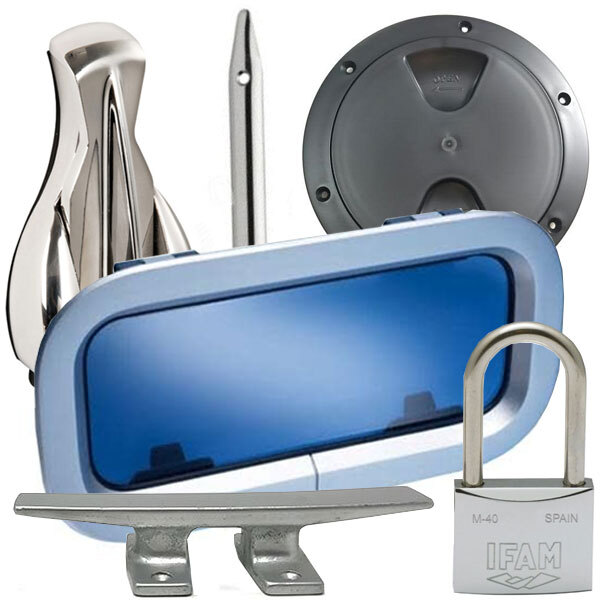
Some deck fittings earn their place through constant use. You make a line fast on a cleat, hold a hand rail as the boat moves or open a hatch to get below. Our deck hardware brings those fittings together with awnings, biminis, padlocks and mast steps. It is a useful place to start when a worn fitting needs replacing or a new arrangement on deck calls for a specific part.
For deck hatches, inspection hatches and portlights, measure the existing opening and look closely at the mounting before ordering. A similar-looking hatch may not fit the same cut-out. You will also find rubbing strakes and wear pads for areas where regular contact causes wear.
Fittings & Hardware
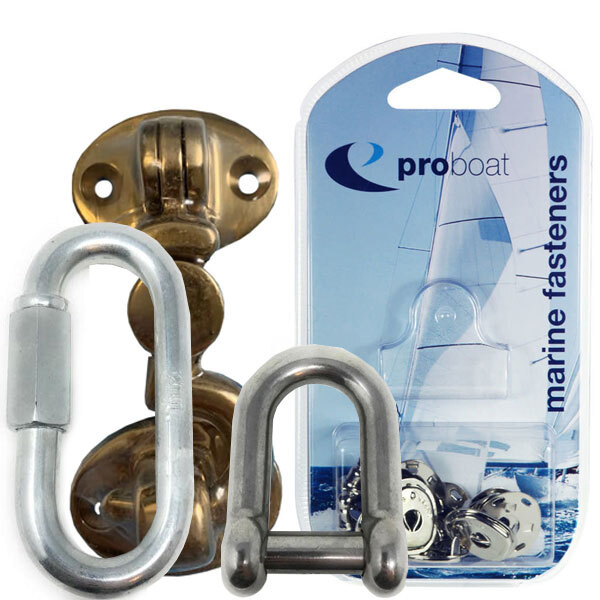
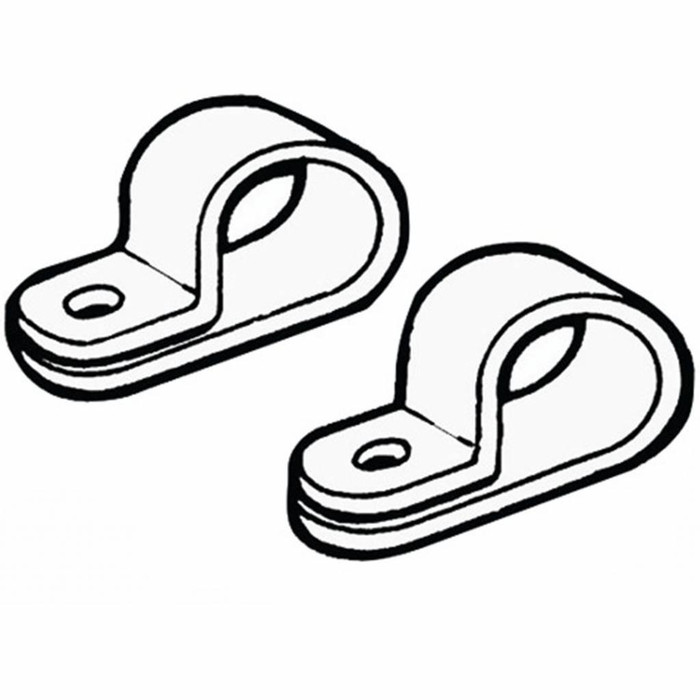
It is often a small fitting that holds up a repair. A hinge with the wrong hole spacing, a rivet of the wrong length or a shackle that will not fit the attachment point can turn a simple job into another trip to the chandlery. The fittings and hardware range is where to look for those details, including hinges, barrel bolts, rivets, shackles and spring clips.
There are press studs and eyelets for fitting and repair work, too. When replacing any of these parts, keep the old fitting to hand if you can. Its measurements, fixing pattern and material are more dependable guides than a photograph alone, particularly for anything that carries a load.
Flags & Flagstaffs
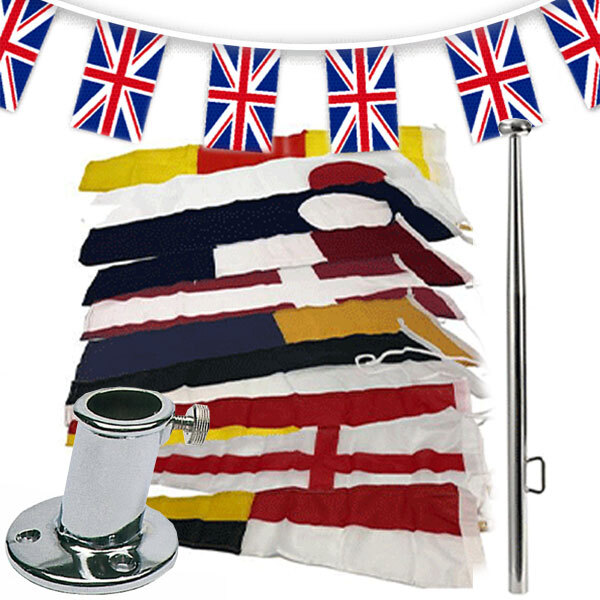
Preparing the boat for a trip can mean finding an ensign that suits where it will be flown, or checking which courtesy flags you may need for a passage abroad. You can browse these alongside signal flags and bunting in our flags and flagstaffs range. Check the conventions relevant to your route rather than relying on what you have seen flown by another boat.
If the staff itself needs replacing, look at its mounting as well as its length. The right flagstaff needs to fit the holder already on your boat and leave enough room for the flag to fly freely.
Marine Rope, Straps & Accessories
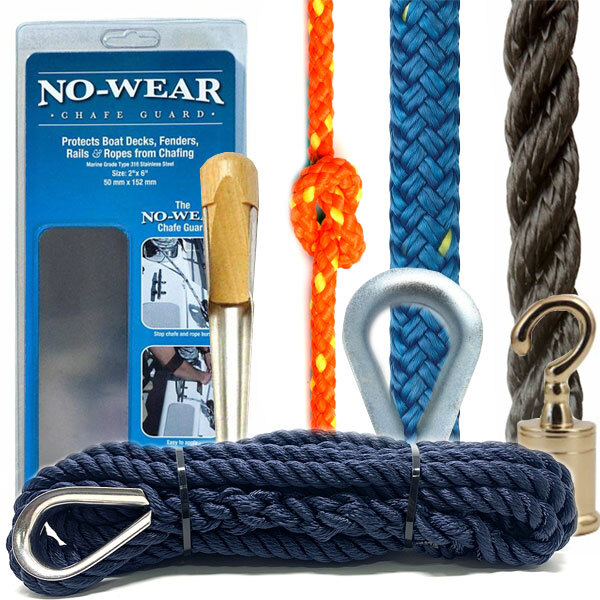
A length of rope might become a mooring line, hold a fender in place or run through sailing hardware. Those jobs put different demands on it. When browsing boat rope, consider the required diameter, how the line will be handled and what it must work with on board. A line passing through a clutch or block, for example, needs to suit that fitting as well as the job at the other end.
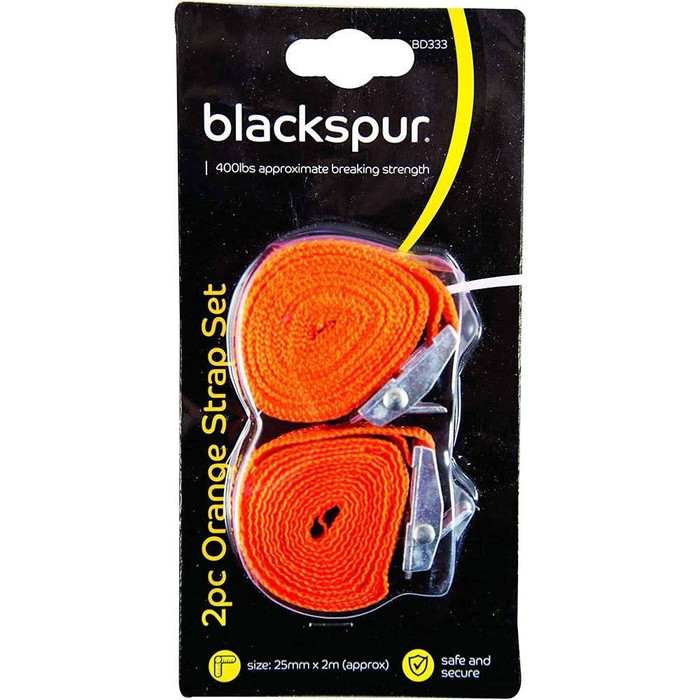
Making up and maintaining lines is part of the picture. The wider marine rope and accessories range includes thimbles and supplies for splicing, sewing and whipping. Guardrail netting, straps and ratchets are here for other securing jobs. If you are copying an existing line, its finished length and end fittings are useful to record before taking it off the boat.
Sailing Blocks & Hardware
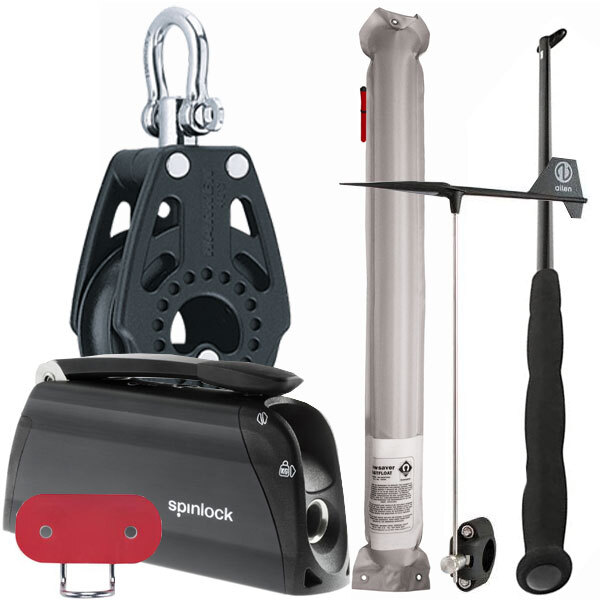
Follow a line from a sail back towards the cockpit and you can see why the fittings along its route matter. A block changes its direction; a deck organiser leads it across the deck; a clutch may hold it where the crew can reach it. The sailing blocks and hardware range brings these parts together for maintaining an existing layout or planning a change.
You can browse sailing blocks from Allen, Barton, Harken and Selden, alongside fairleads, tracks, furling gear and rope clutches. The section also includes rigging accessories, tiller extensions and wind indicators. Before replacing a block or changing where a line runs, check its diameter, expected load, attachment and the fittings before and after it. It is the route as a whole that needs to work when you are sailing.