-
9th Oct 2026
What Size Mooring Rope Do I Need? Diameter, Length, Material and Spring-Line Guide
The correct mooring rope is selected by more than boat length. Displacement, windage, berth exposur…
Read Full Article -
2nd Oct 2026
How to Winterise a Boat Freshwater System: Tanks, Pumps, Calorifiers and Toilets
To winterise a boat freshwater system, turn off heat and power safely, drain the tank and calorifie…
Read Full Article -
25th Sep 2026
Can You Paint New Antifoul Over Old Antifoul? Compatibility, Priming and Preparation
You can often apply new antifouling over an existing coating, but only when the old antifoul is sou…
Read Full Article
Freshwater Systems
Chandlery Below Freshwater SystemsBoat freshwater systems: tanks, pumps and fittings
A dependable freshwater system makes life aboard easier, whether you need water at a galley tap on a day trip or a supply for several sinks and showers while cruising. A typical boat water system stores water in a tank, moves it through hose and fittings with a manual or electric pump, and delivers it to the outlets you use. Depending on your boat, you may also want a level gauge, an accumulator for smoother flow, and filtration or treatment for stored water. Explore our freshwater systems to find parts for a new installation, an upgrade or a repair.
Start with a tank that suits the boat
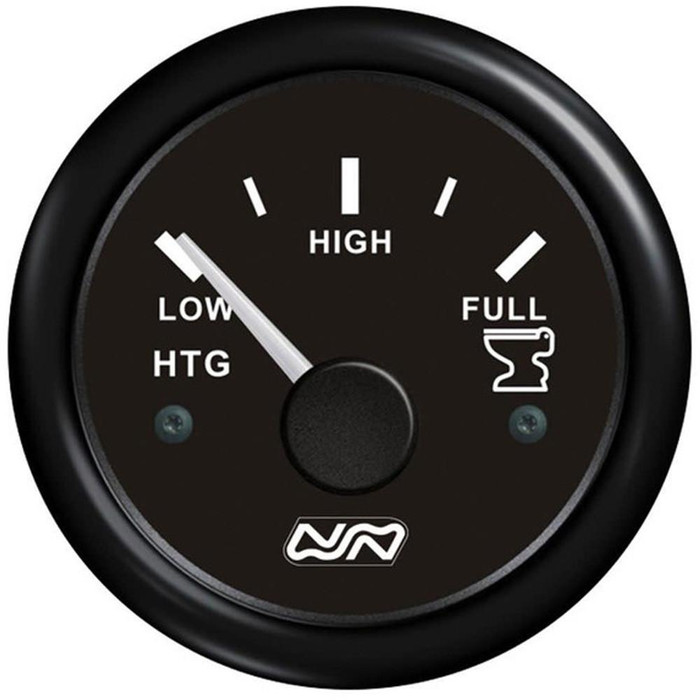
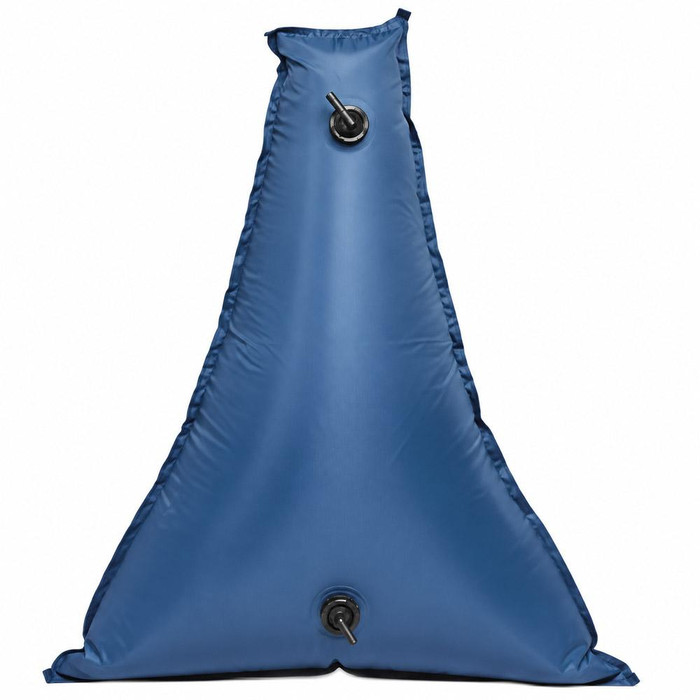
When choosing a boat water tank, consider how much water you use between refills and the space available for fitting it. Check the tank's dimensions, access for cleaning, and the position and size of its filler, outlet and vent connections. Flexible tanks can help make use of an irregular space; rigid tanks may be preferable where you have a suitable mounting area. Whichever design you choose, plan a secure installation and make sure you can inspect the connections later. For a quick view of your remaining supply, browse boat water gauges and senders. Before ordering a replacement sender or gauge, check that its tank depth, mounting arrangement and electrical specification match the rest of your system.
Choose the right freshwater pump
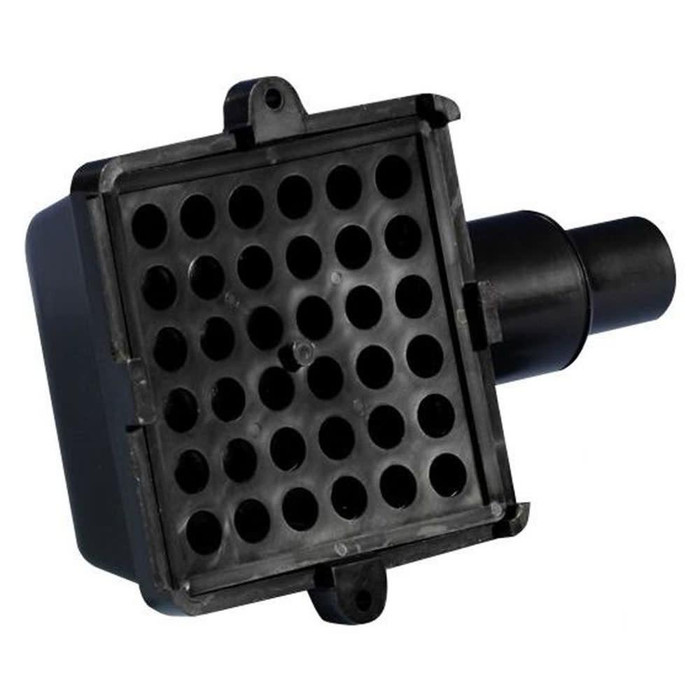
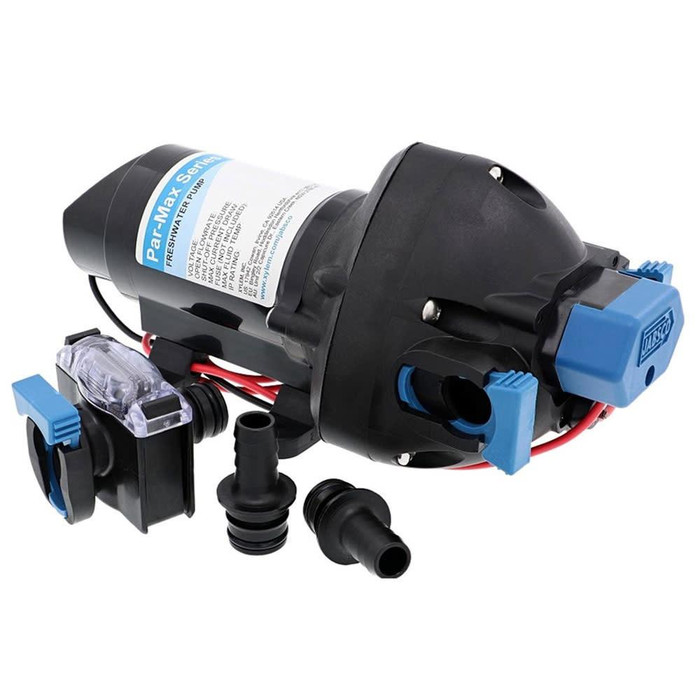
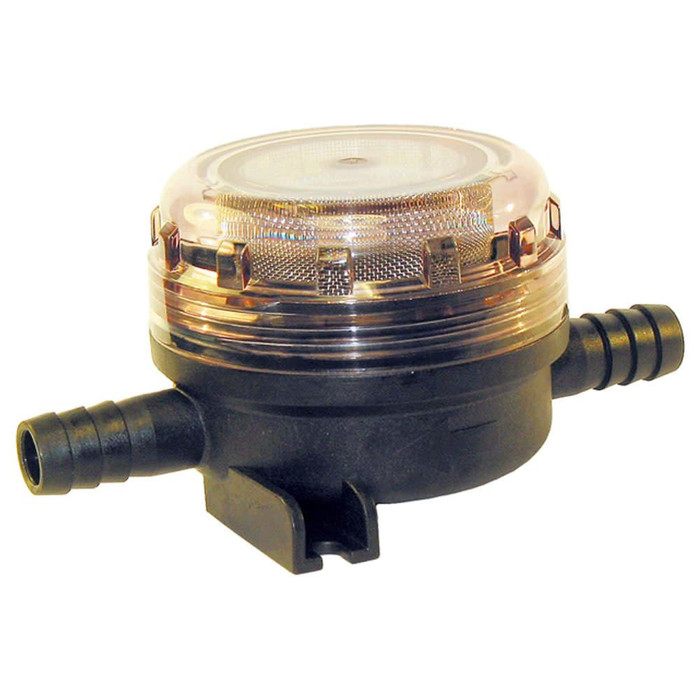
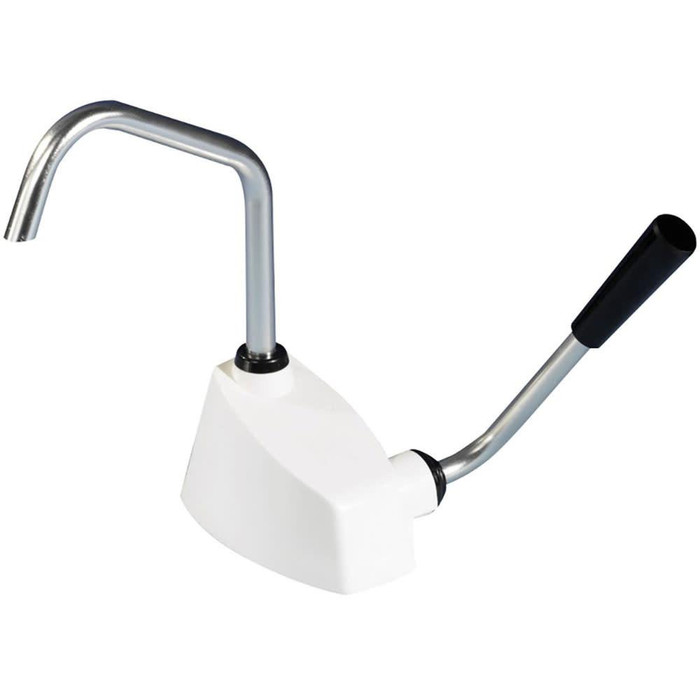
Our freshwater pumps include options for different onboard layouts, from manual galley pumps to electric pressure pumps that supply taps when opened. For an electric pump, check the boat's supply voltage, the pump's rated flow and pressure, and how many outlets might be used at once. A more powerful pump is not automatically the better choice: it must suit the hose, fittings and equipment downstream. If you are replacing a pump, compare its connections and mounting space with the old unit as well as its performance. A suitable inlet strainer can help keep debris out of the pump; check the manufacturer's installation instructions for the pump and any accessories.
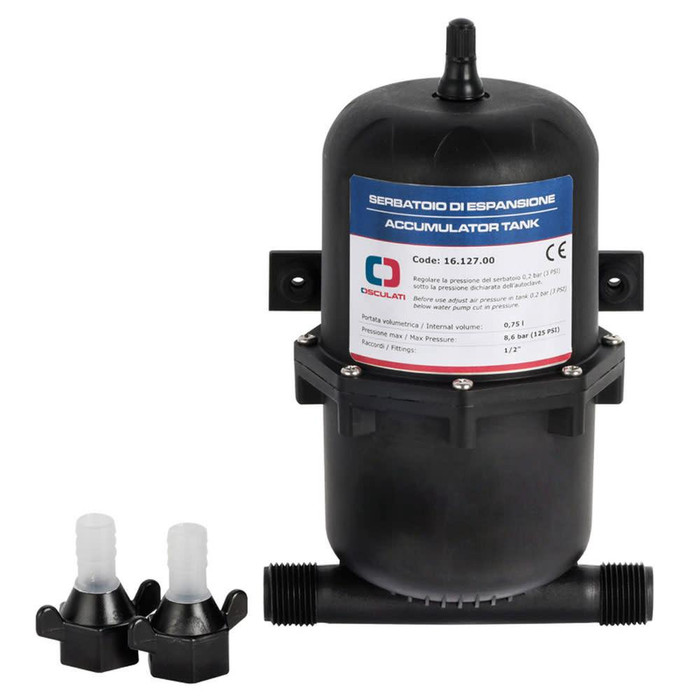
Adding an accumulator tank to a compatible pressurised system can reduce frequent pump starts and make the flow at a tap feel steadier. It stores a small amount of water under pressure between pump cycles; it does not replace your main freshwater storage tank. Check the accumulator's pressure rating, connection size and setup instructions against the pump before fitting it.
Connect the system and choose the outlets
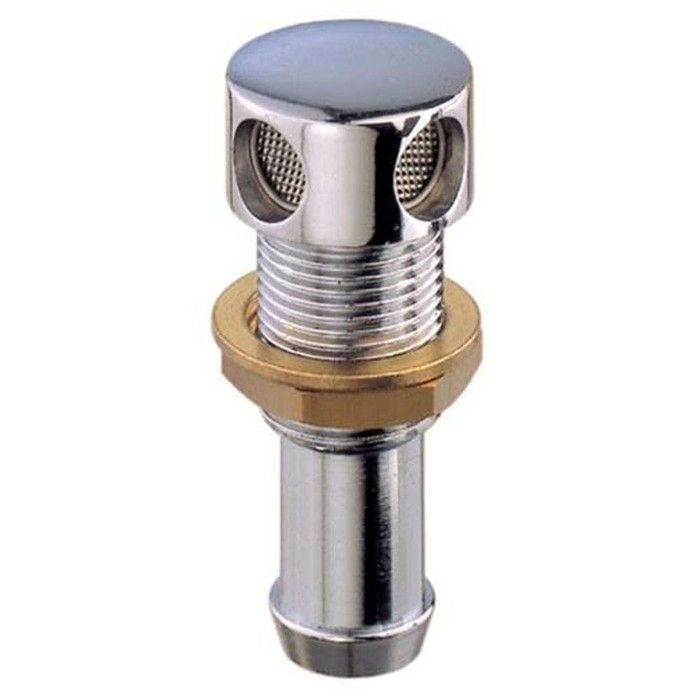
Small connection details matter just as much as the larger components. Browse pump fittings when connecting a new pump or replacing an inlet, outlet or adaptor. Match the fitting to the pump model and check hose diameter, thread type and sealing method rather than relying on appearance alone. Plan the route of the hose so connections remain accessible and the installation follows the component manufacturers' guidance.
At the point of use, the layout of the galley or heads will determine which outlet works best. Our shower fittings, sinks and taps category is a useful place to compare options for a basin, galley sink or onboard shower. Check the space around the fitting, the connection type and whether the outlet is intended for a pressurised or manual system. If you are adding hot water, confirm that the taps, hose and other parts are suitable for the temperatures and pressures involved.
Look after the water you store
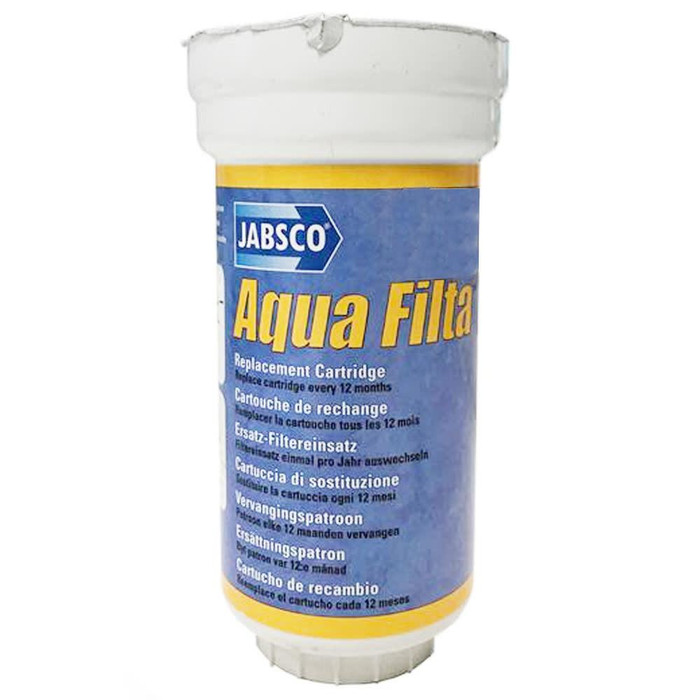
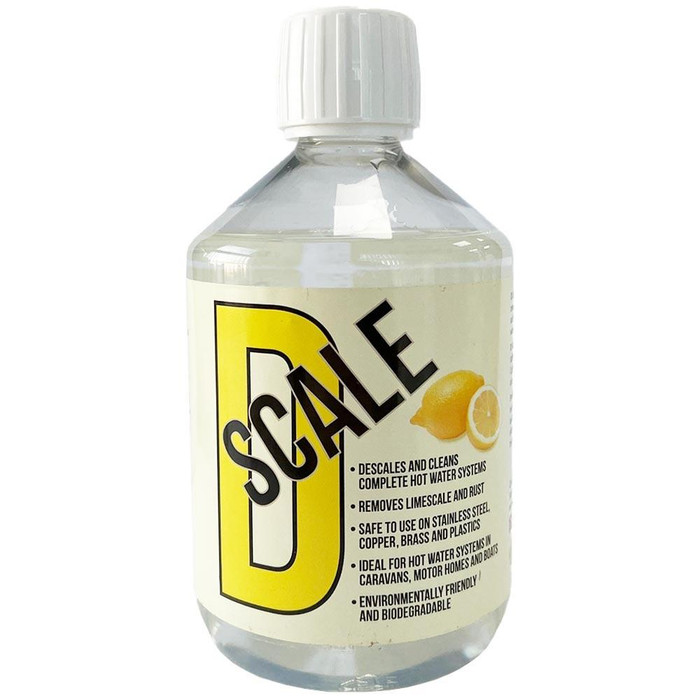
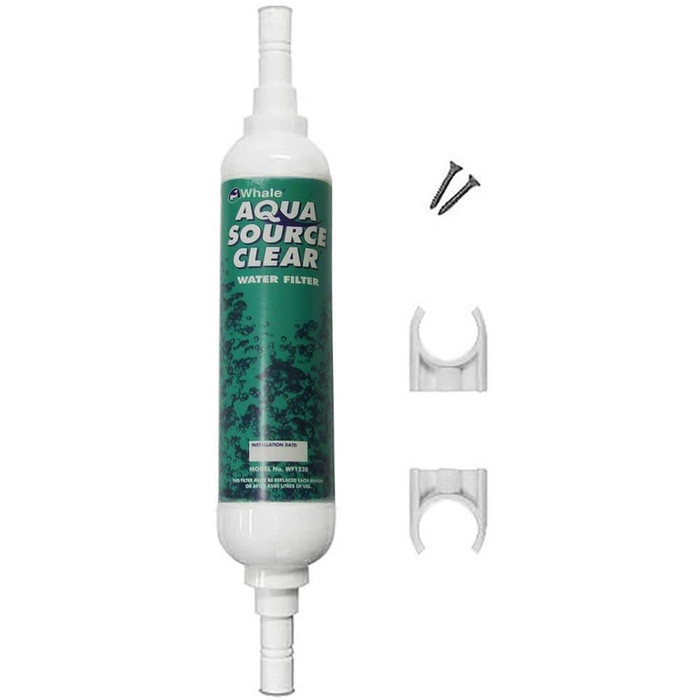
Water filters and purification products can help you maintain an onboard supply. Depending on the product, a filter may address sediment or improve taste, while a treatment product may be intended for cleaning or treating a tank and its water. These serve different purposes, so read the individual product instructions and check whether it is suitable for drinking water, your tank and the way you intend to use it. Replace filter cartridges and clean the tank and pipework as directed, particularly when recommissioning the system after a period out of use. A filter alone should not be assumed to make an unsafe water source safe to drink.
Boat freshwater system questions
What do I need for a basic boat freshwater system?
At its simplest, you need a suitable water tank, a pump or other means of drawing water, compatible hose and fittings, and an outlet such as a tap. A level gauge, accumulator and filter may be useful additions depending on how you use the boat. Check each component's compatibility before buying the parts together.
Do I need an accumulator tank with a freshwater pump?
Not every installation requires one. An accumulator can be helpful with a compatible automatic pressure pump if it switches on and off frequently or the flow feels uneven. Choose and set it up according to the pump and accumulator manufacturers' instructions.
How do I choose between a manual and an electric water pump?
A manual pump can suit a simple single-outlet arrangement where you want water without relying on the boat's electrical system. An electric pressure pump is worth considering when you want tap-operated flow at one or more outlets. Your available power, number of outlets, desired flow and existing plumbing will guide the choice.
!