
-


-
-
-

-


-


-


-
Sold Out

-

-
Sold Out


-
Sold Out

-
Sold Out

-
-
Sold Out

Mastervolt
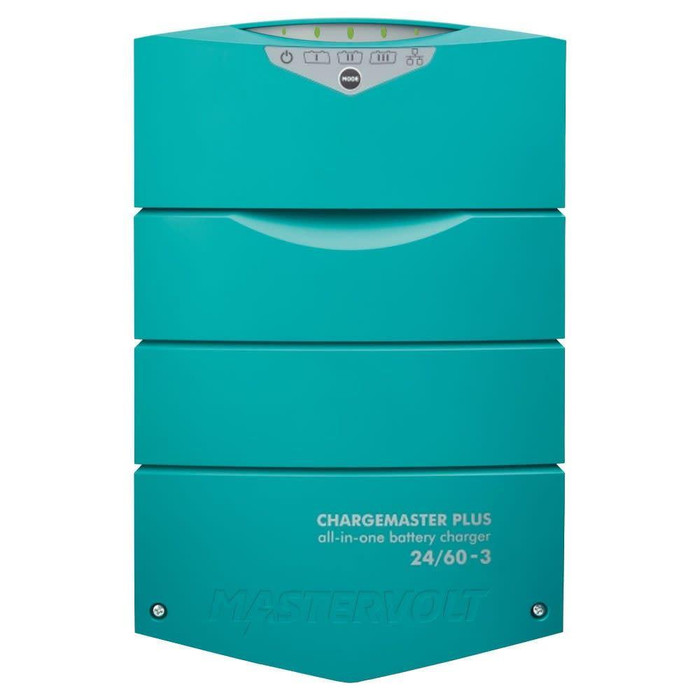
PC4927
Mastervolt 24V/60A 3 Bank ChargeMaster Plus CZone Battery Charger
RRP £1,356.62£1,190.05 -
Mastervolt
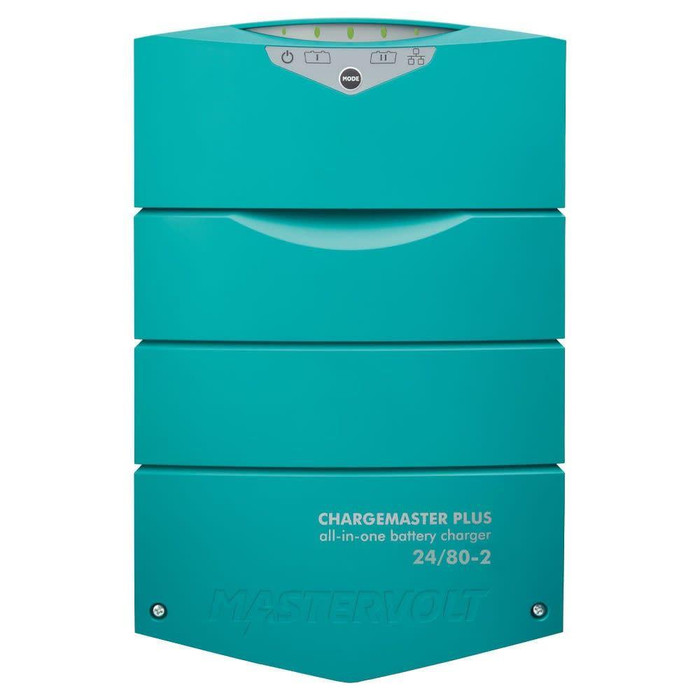
PC4928
Mastervolt 24V/80A 2 Bank ChargeMaster Plus CZone Battery Charger
RRP £1,972.62£1,730.43 -
Sold Out

Mastervolt
TA1121
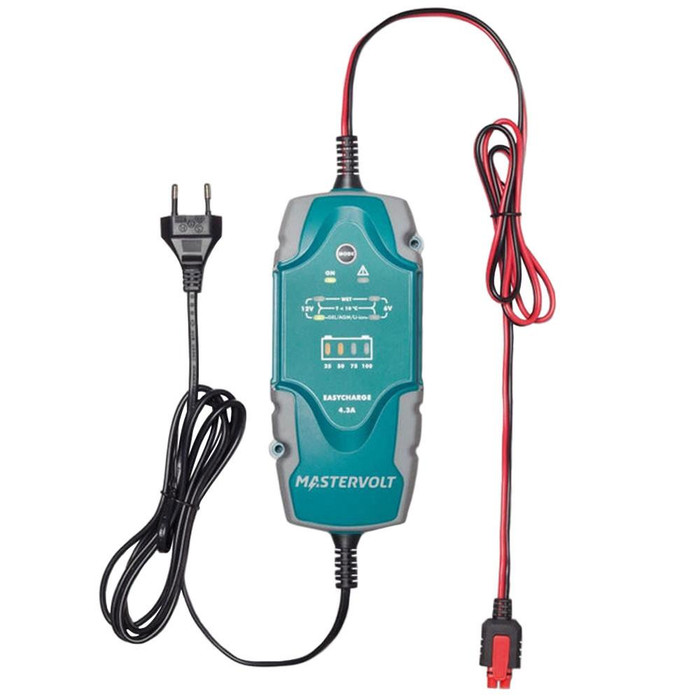
Mastervolt 6/12V 1 Bank EasyCharge Portable Battery Charger 4.3A
RRP £85.87£77.87 -
Sold Out

-
Sold Out

-
Sold Out

-
Sold Out
-
Sold Out

-


-
Sold Out
-
Sold Out
-
Sold Out

-

-
Sold Out

-
Sold Out


-
-

-


-

-

-

Pirates Cave Value
PC11109-AFRR-41
Replacement LED Bulb (BA15S) For All Round Navigation Lights
£17.24 -
-

Electricals
Boat electrics tend to make themselves noticed when something stops working: a battery that will not hold charge, a cockpit light that has gone out or a wiper that struggles in the rain. Replacing the faulty part is often straightforward once you know what is already fitted. Planning a larger change takes more thought, because the batteries, charging equipment, wiring and appliances all need to work together. Our marine electricals range covers both kinds of job, from a single connector to a wider update of your boat’s power system.
Boat batteries and power away from the pontoon
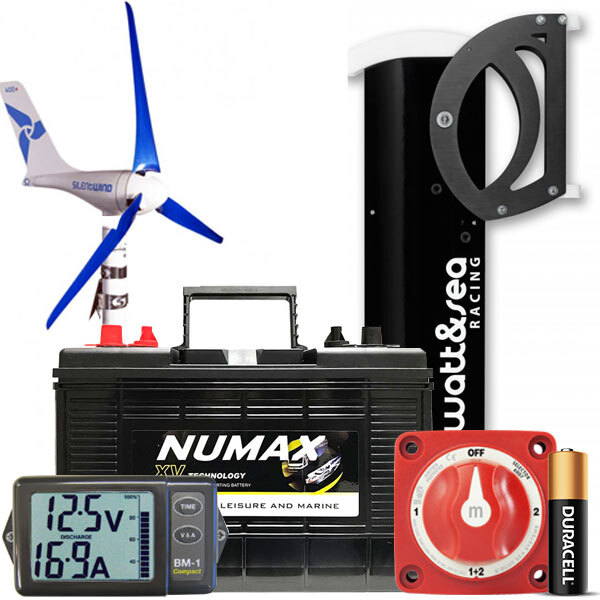
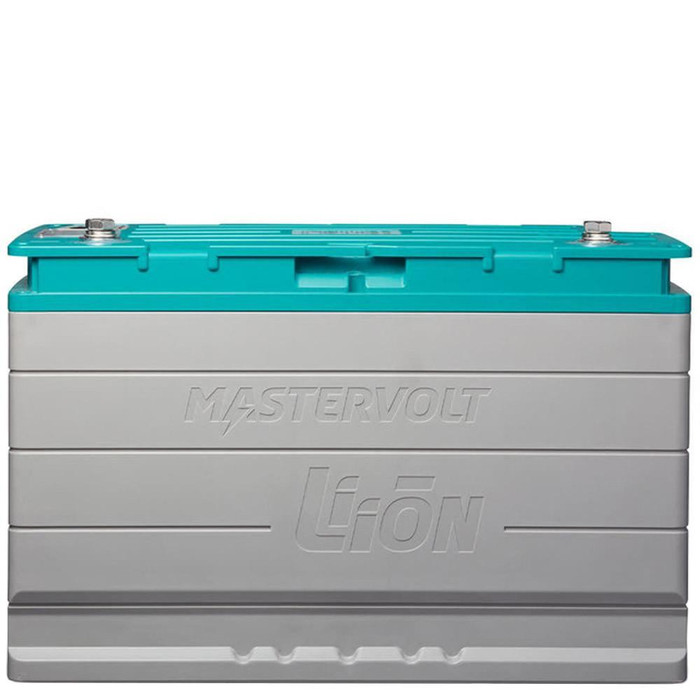
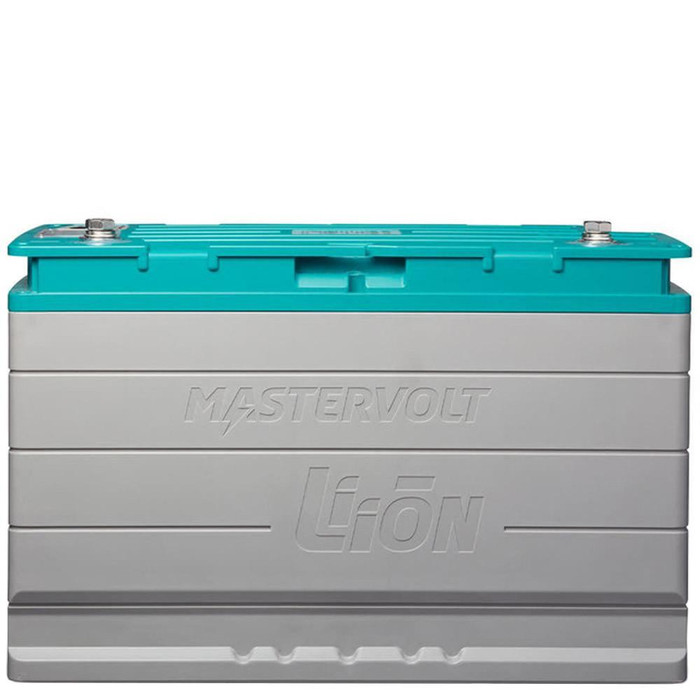
Time away from shore power puts the batteries to work. Lights, pumps, instruments and other equipment may all be drawing power, even when the engine is off. If you are replacing a battery, start with the voltage and physical space available, then check its capacity, terminal arrangement and compatibility with your charging setup. You can browse marine batteries alongside battery boxes, terminals and isolator switches in the wider battery equipment range.
It also helps to understand what is happening between charges. A battery monitor can make power use easier to follow, particularly on longer trips or when several pieces of equipment share a battery bank. If you are looking at ways to replenish power while away from a marina, the range includes solar chargers, wind chargers and hydro generators. Their usefulness depends on your boat, the conditions and how much power you actually use; they are worth considering as part of the whole system.
Charging batteries and running other equipment
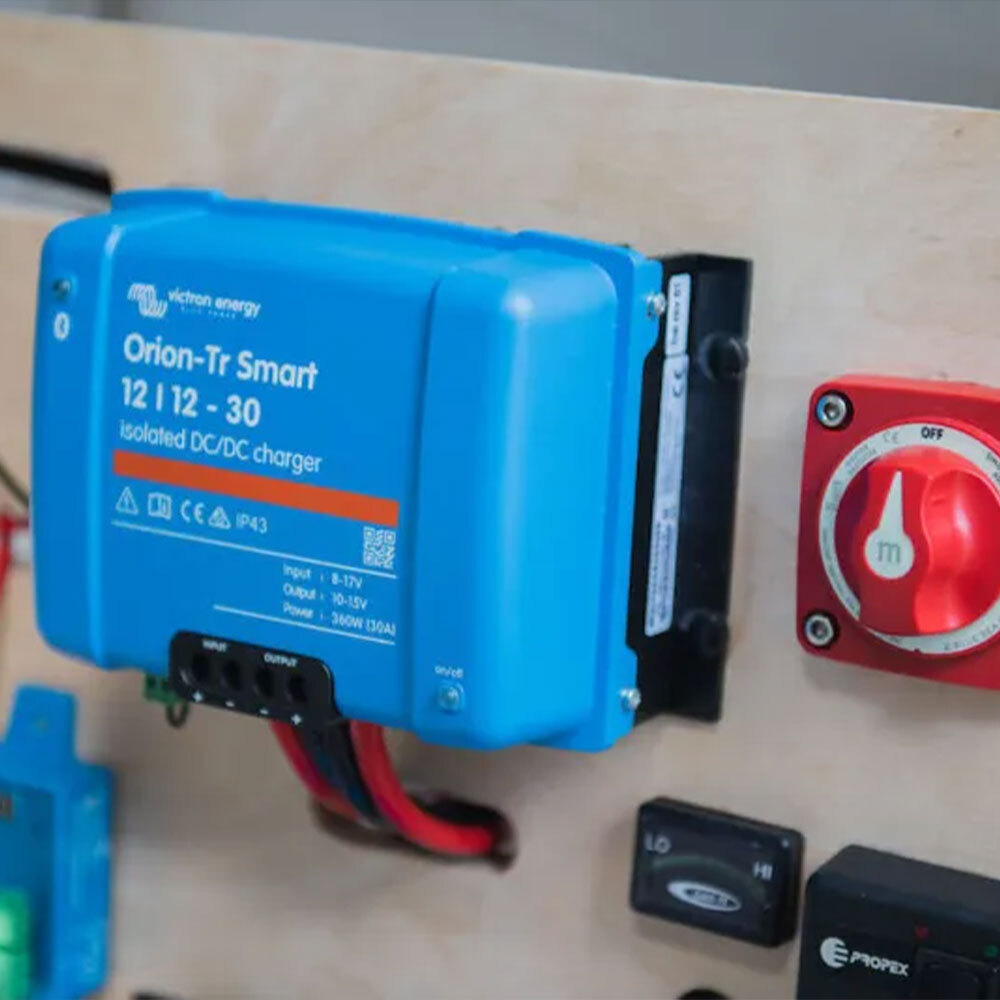
A charger has to suit the batteries it serves. When choosing a marine battery charger, check whether your system is 12V or 24V, the battery type and how many banks need charging. A boat with separate engine and domestic batteries may call for a different arrangement from one with a single bank. Matching those details is more useful than choosing a charger on output alone.
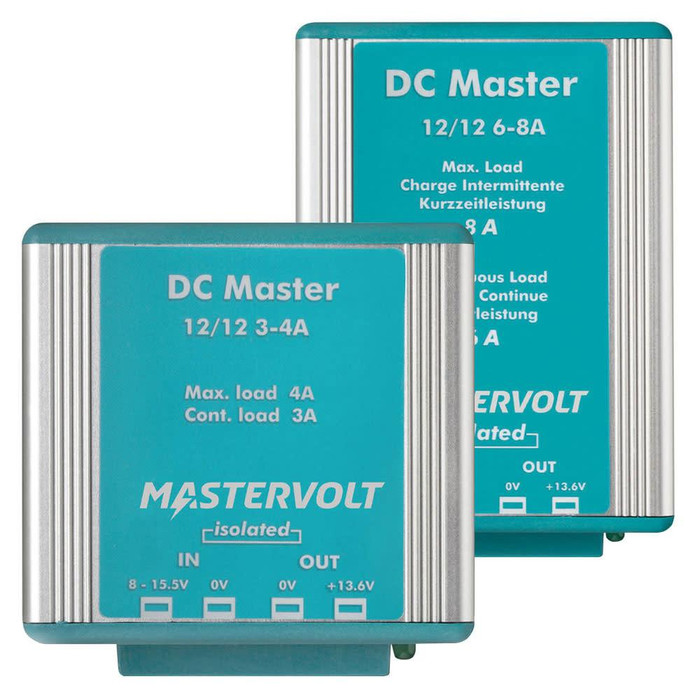
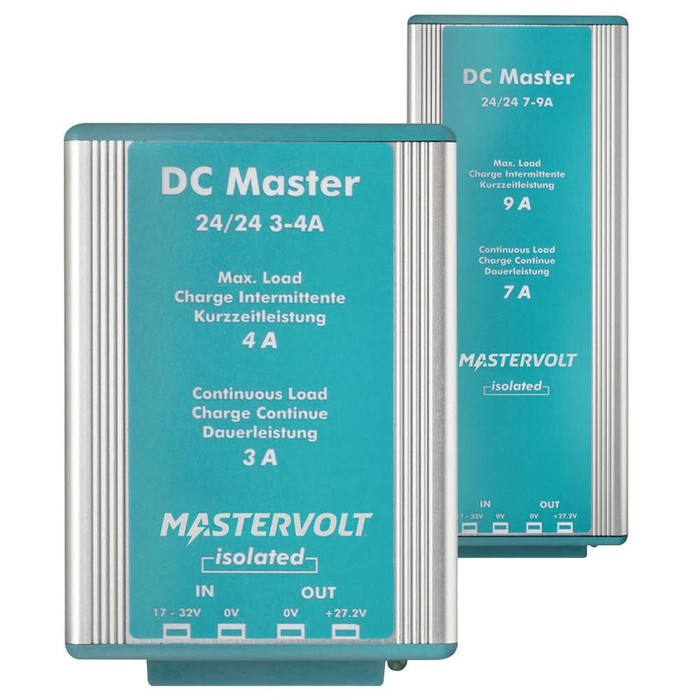
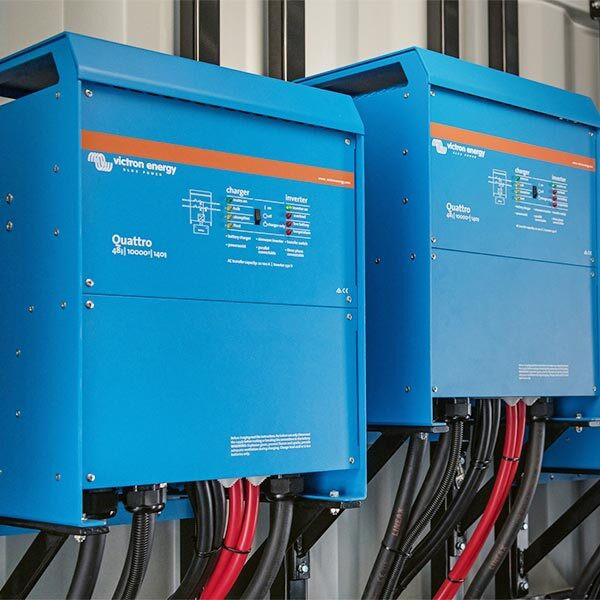
If you want to run equipment that needs an AC supply from the boat’s batteries, an inverter may be part of the answer. Think about the demands of the equipment you intend to use, as well as the effect on your available battery power. Converters are also available where equipment needs a different DC voltage. Check the input and output requirements before adding either to an existing installation.
Lighting inside, on deck and under way
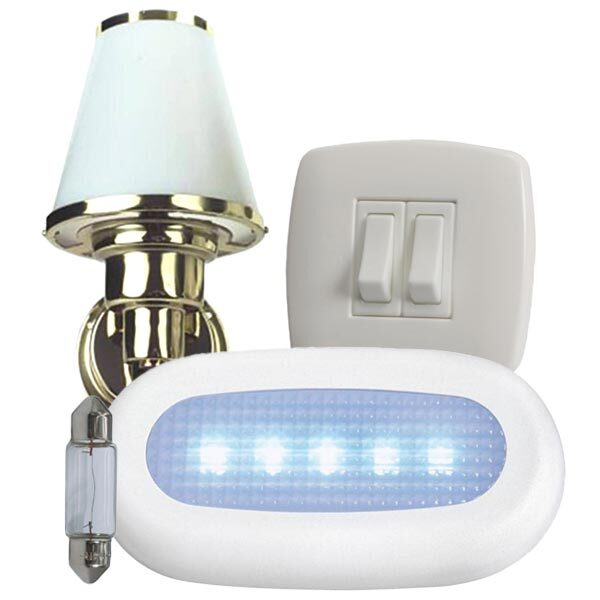
Lighting needs vary around the boat. A cabin light may be there for reading or finding your way below, while deck and cockpit lighting helps you work outside after dark. If you are replacing a fitting, check the available space, supply voltage and mounting arrangement. The boat lights range also includes courtesy lighting and replacement bulbs for smaller jobs.
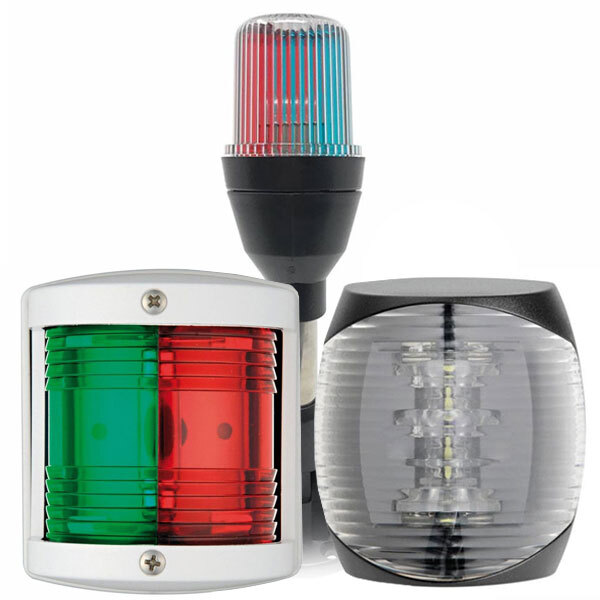
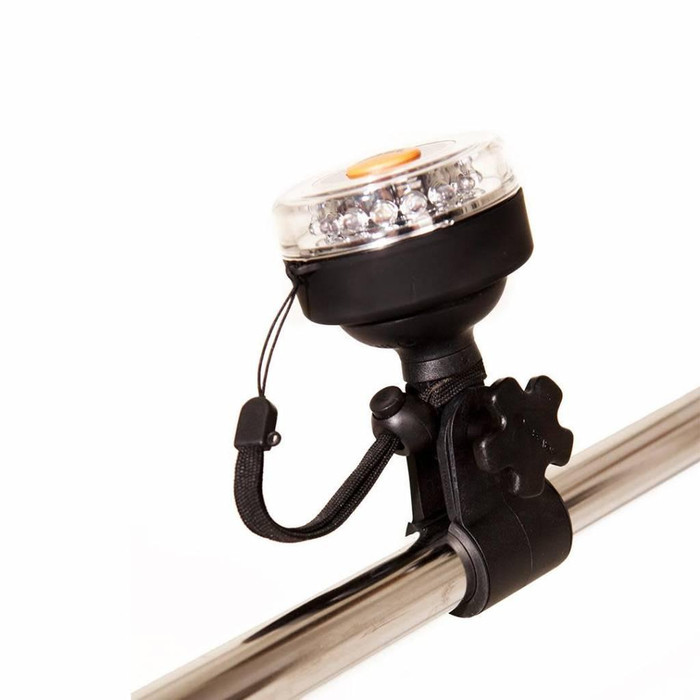
Navigation lights have a different job: showing your boat to others when visibility or the time of day requires it. The range includes port, starboard, stern, masthead, all-round, bicolour and tricolour lights, including LED options. When replacing one, check the light’s intended position and the requirements for your vessel rather than assuming that any fitting of a similar size will do.
Wiring, switches and circuit protection
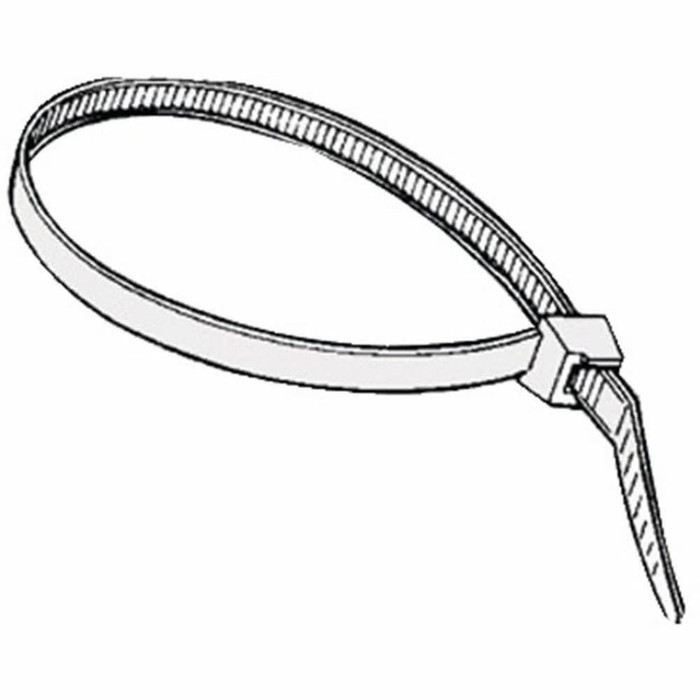
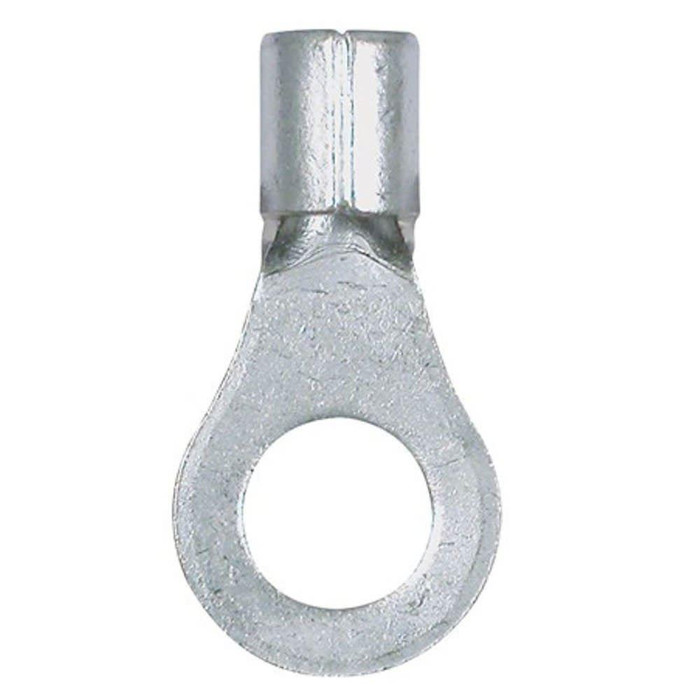
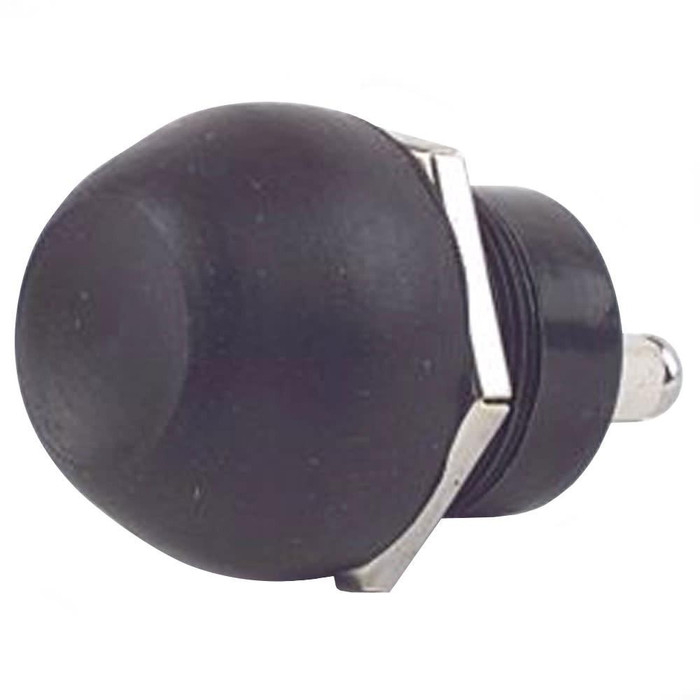
When an electrical fault is intermittent, the problem may be in a connection rather than the appliance at the end of the cable. This is where the less visible parts of the installation matter. The cable, switch panels and bus bars section covers the components used to route and distribute power, including cable, connectors, heat shrink and switches.
For a new circuit or a repair, take account of the cable run, the load and how the circuit is protected. Fuses and holders should be selected for the installation they protect, while clearly arranged switches and panels make it easier to identify what is on board. A tidy, well-documented system is also much easier to revisit when something needs attention later.
Connections through the deck and from shore
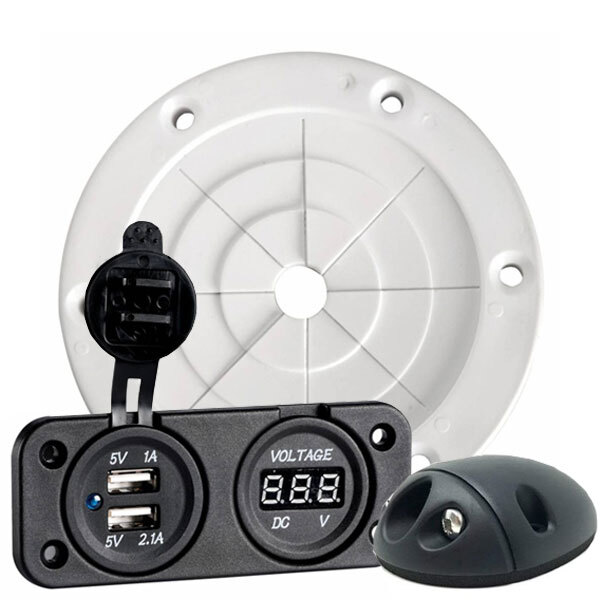
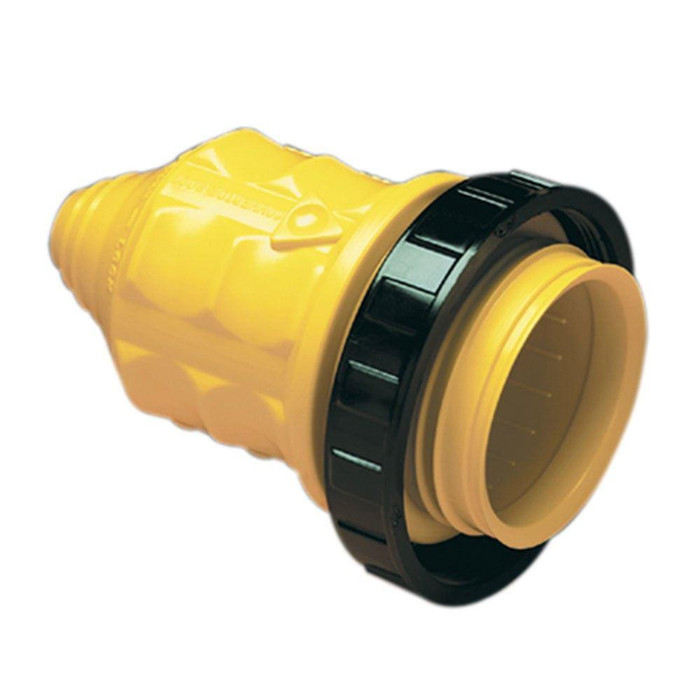
Some connections have to pass through a surface exposed to spray and rain. Deck plugs, sockets and cable glands provide options for these points; the right fitting depends on the cable, the opening and where it will be mounted. Check those details before replacing an old connector, particularly if you hope to use the existing hole.
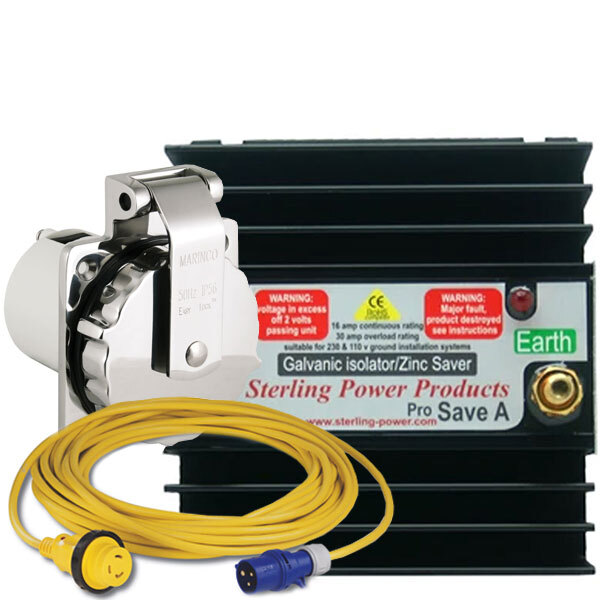
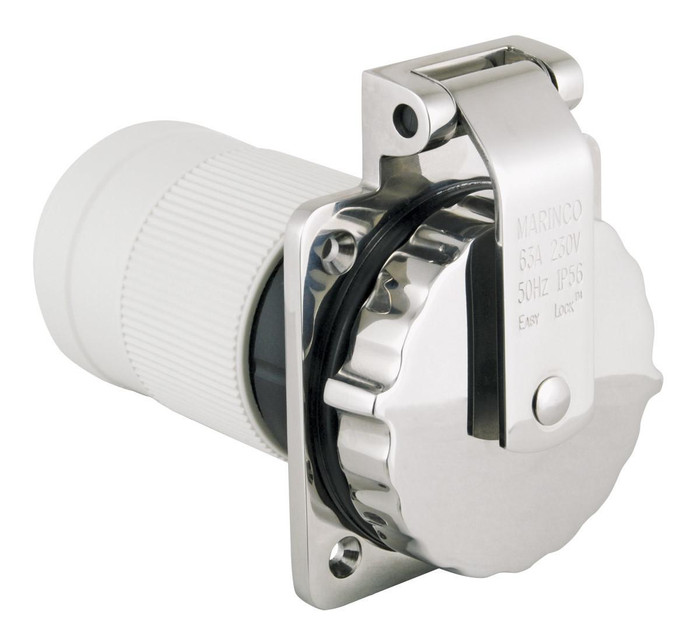
Shore power is a separate consideration from the boat’s low-voltage circuits. The shore power range includes cordsets, plugs, connectors and sockets for connecting at a berth, as well as galvanic isolators. Check the ratings and connections across the complete setup. If you are changing the boat’s fixed mains installation, use a suitably qualified marine electrician.
Clear visibility from the helm
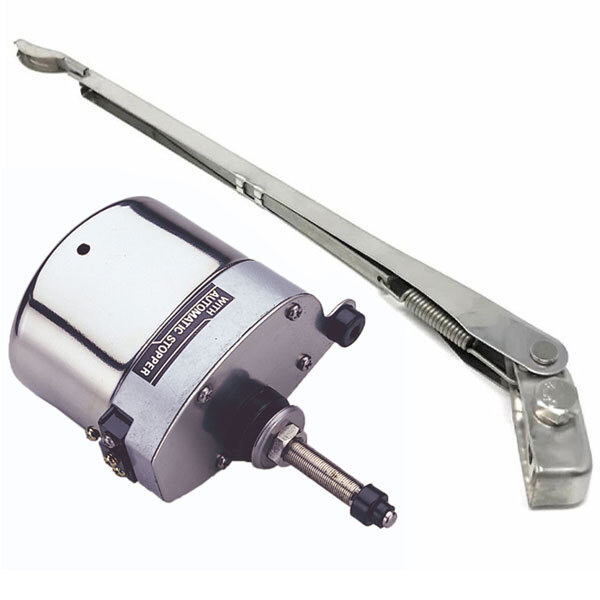
Electrical maintenance is not only about keeping devices powered. A working windscreen wiper can make a real difference to visibility from an enclosed helm in wet weather. If a wiper needs attention, the wiper motors, arms and blades range lets you look at the part that needs replacing. Check the supply voltage, mounting, arm length and sweep against the existing installation so the new components work together.
If you are unsure which replacement fits, keep the old part number and measurements to hand, along with a photo of how it is installed. Those details will help narrow down the options online or when you visit our Rochester chandlery.