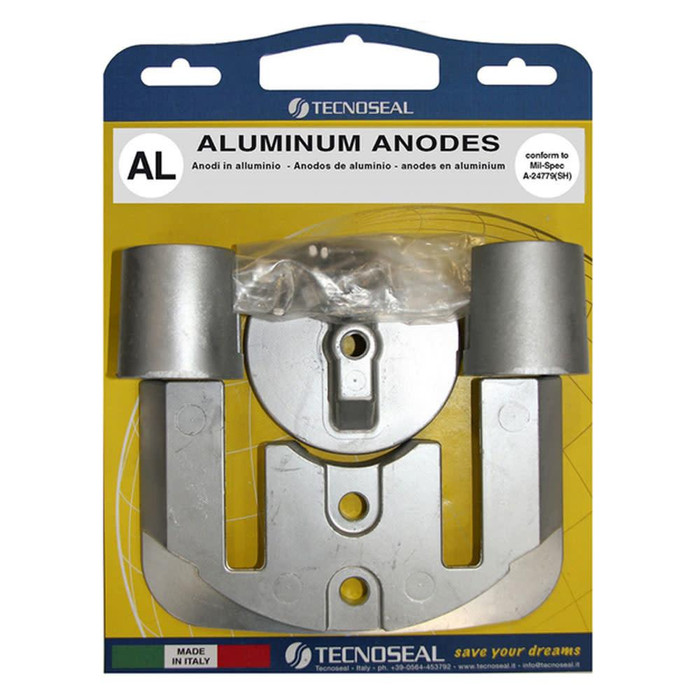
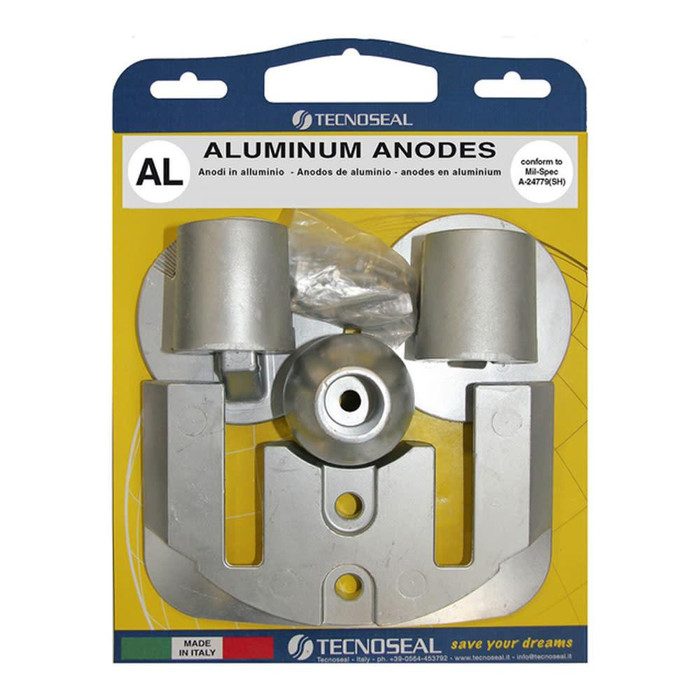
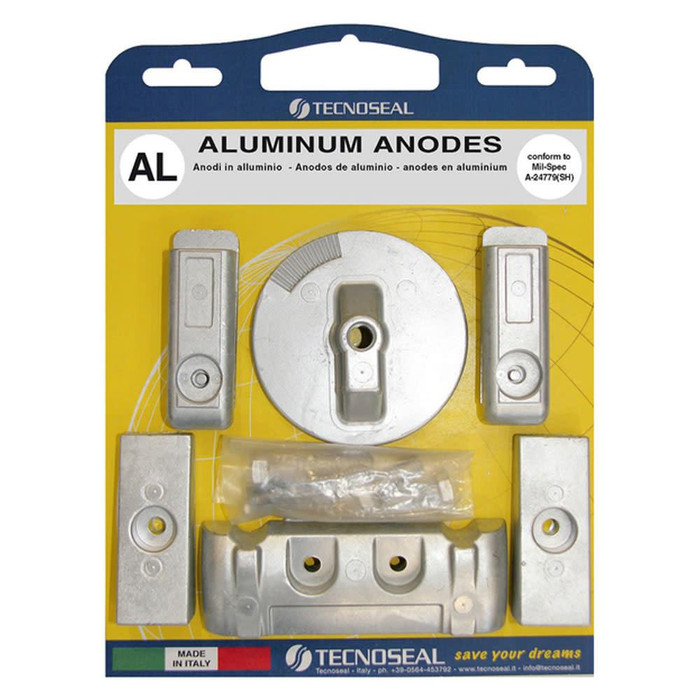
Aluminium Anodes For Boats
Aluminium anodes are sacrificial anodes designed to help protect underwater metal components from galvanic corrosion. They are used across many types of boats and marine installations, including engines, hull fittings, shafts, propellers and rudders. Choosing the correct anode depends on the metals being protected, the vessel's operating environment and the requirements of the equipment manufacturer.
Unlike structural aluminium components, aluminium sacrificial anodes are manufactured from alloys formulated specifically for cathodic protection. During service, the anode is intended to corrode preferentially, helping protect connected underwater metalwork that would otherwise be more vulnerable to galvanic attack.
What Do Sacrificial Anodes Do?
Different metals immersed in water can form an electrochemical reaction when they are electrically connected. Under suitable conditions, the less noble metal corrodes more readily. This process is known as galvanic corrosion and can affect underwater components such as propeller shafts, stern gear, propellers, rudders, skin fittings and engine cooling systems.
Sacrificial anodes provide a deliberately replaceable metal that is more reactive than the components they are intended to protect. As the anode gradually wastes away, it helps reduce corrosion of the connected metalwork. This is why boat anodes need to be inspected as part of routine maintenance rather than simply fitted and forgotten.
Choosing Aluminium Anodes for Different Parts of a Boat
Anodes are produced in different shapes, sizes and mounting arrangements because the item being protected varies considerably around a vessel. The correct choice is not simply a matter of selecting an aluminium anode of a convenient size. Consider where it will be fitted, what it must protect, whether it can make reliable electrical contact and whether the anode is suitable for the vessel and its normal operating conditions.
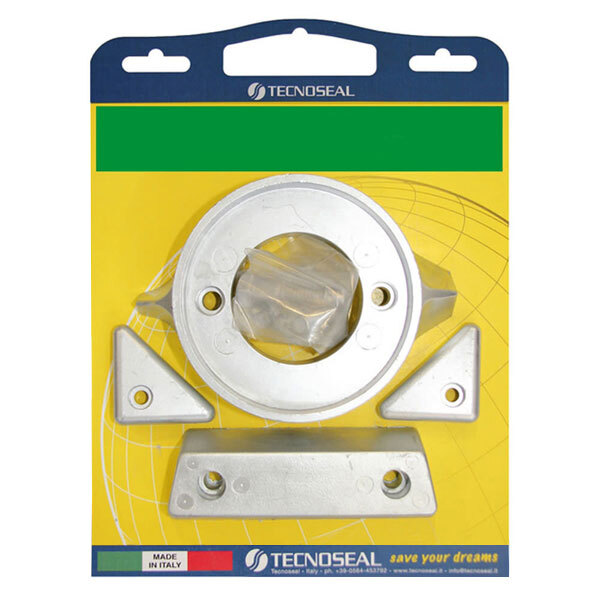
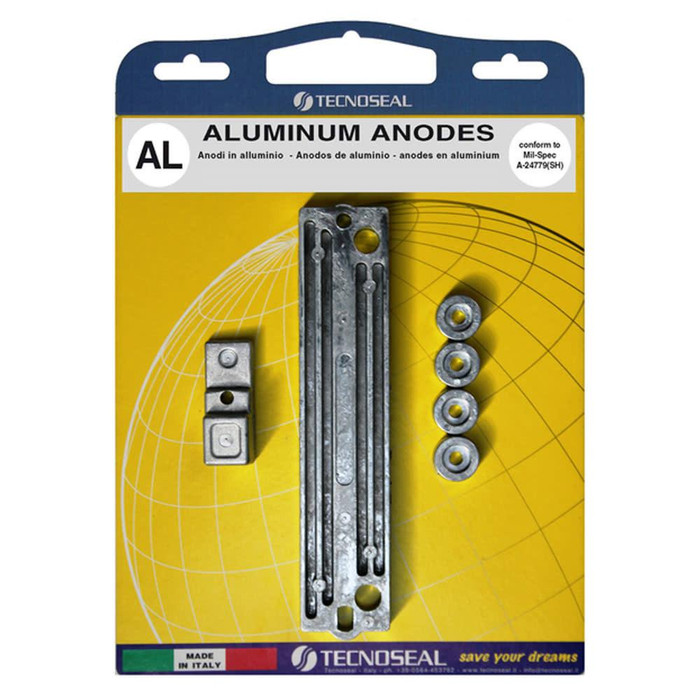
Common types of marine aluminium anodes include:
- Engine anodes for specific internal or external engine and cooling-system locations.
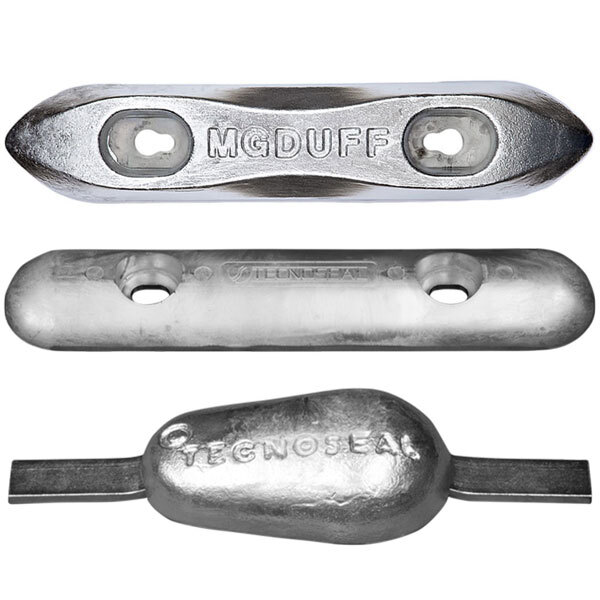
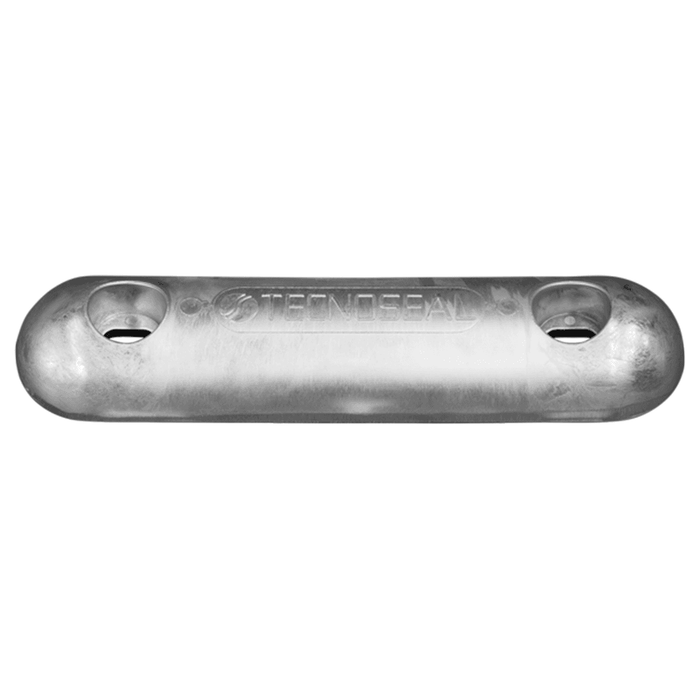
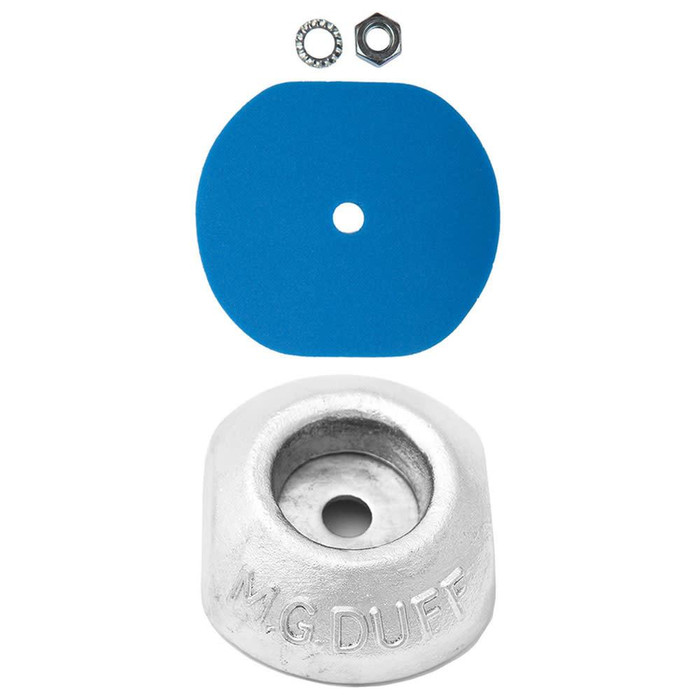
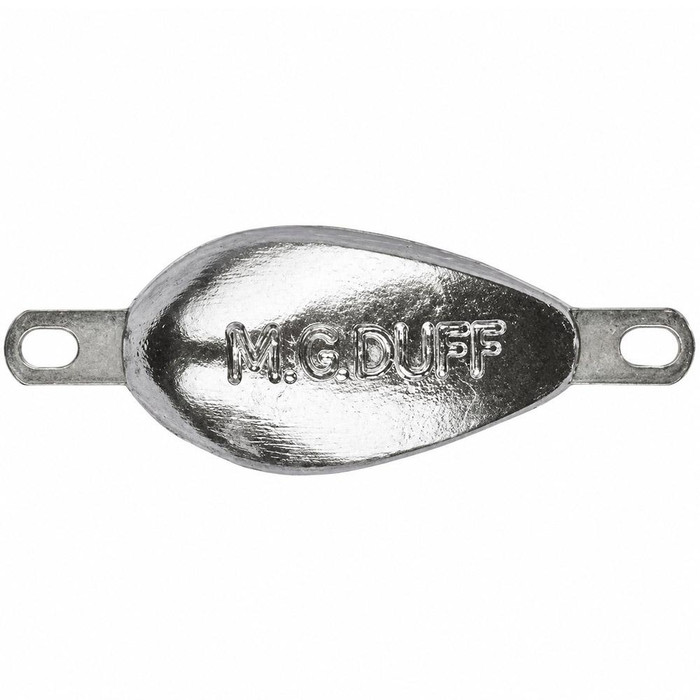
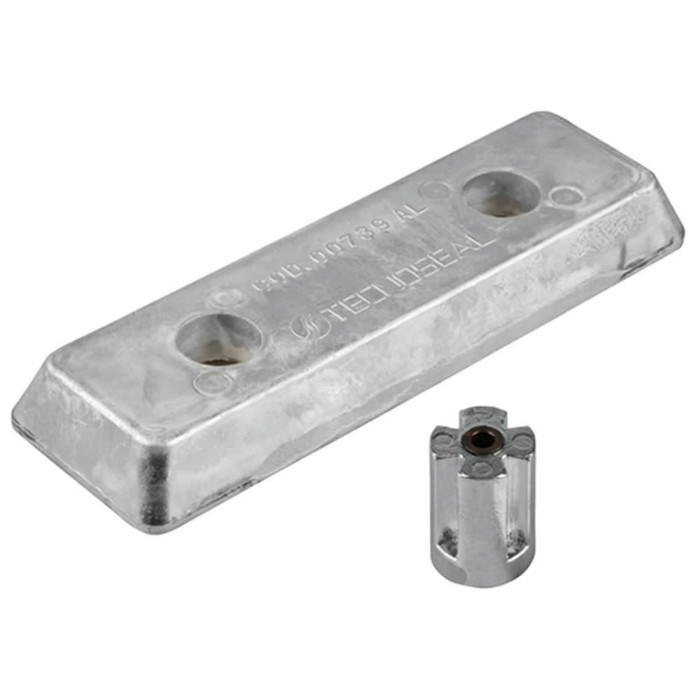
- Hull anodes mounted to the hull to protect electrically connected underwater metalwork.
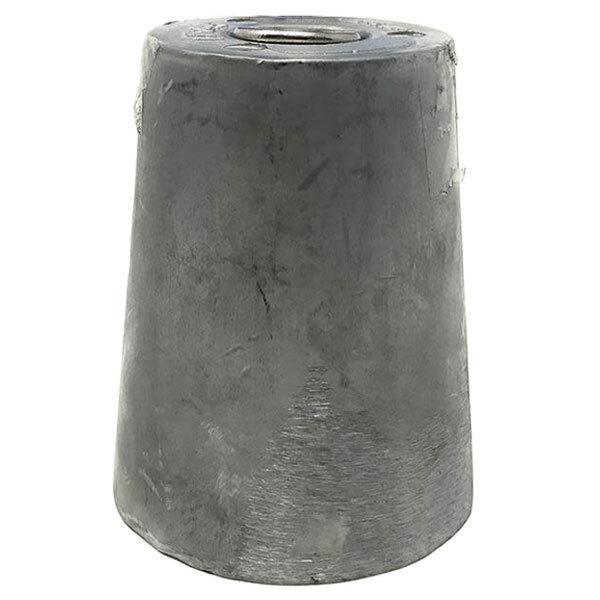
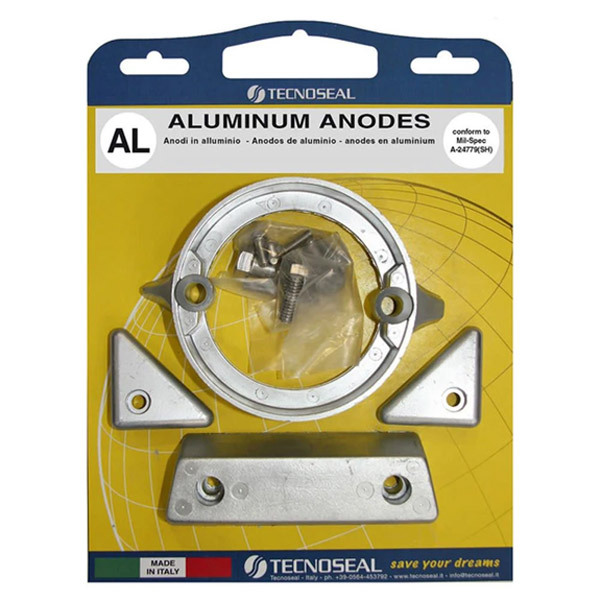
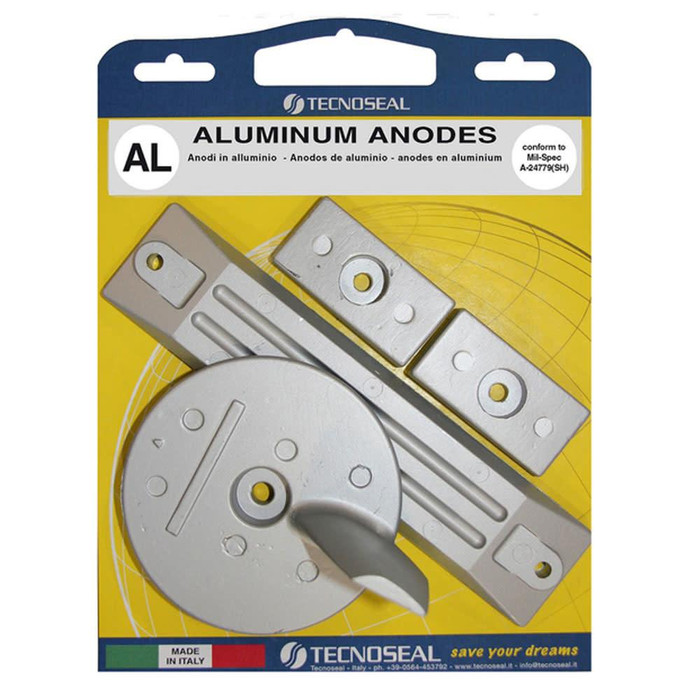
- Propeller anodes shaped for particular propeller, hub or drive arrangements.
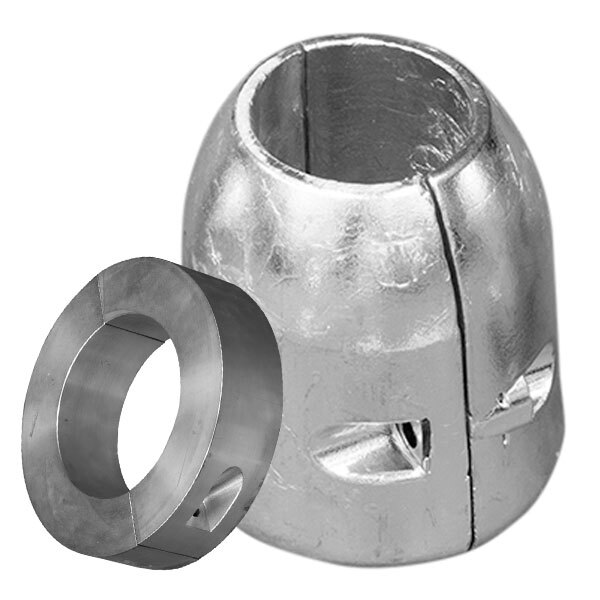
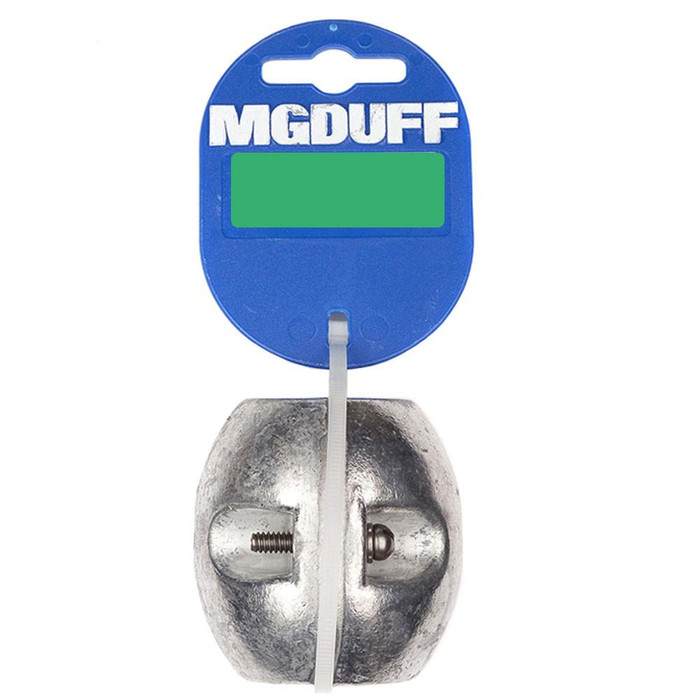
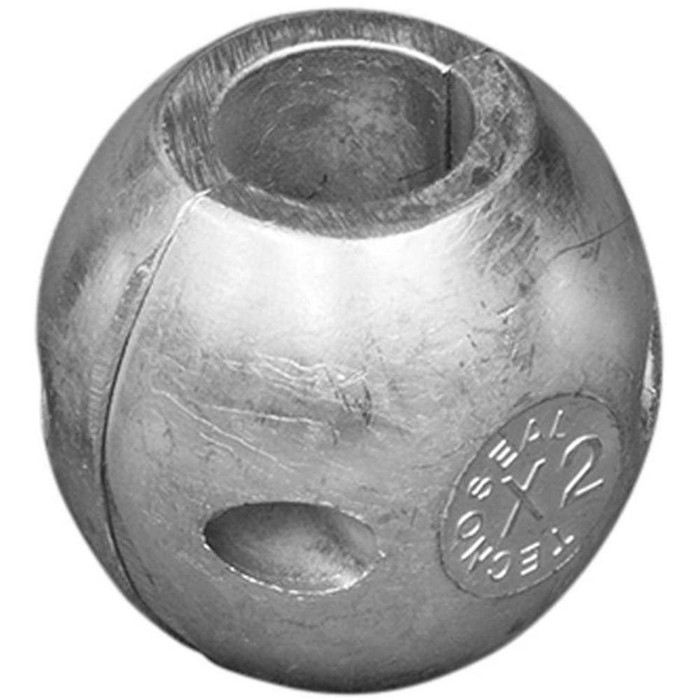
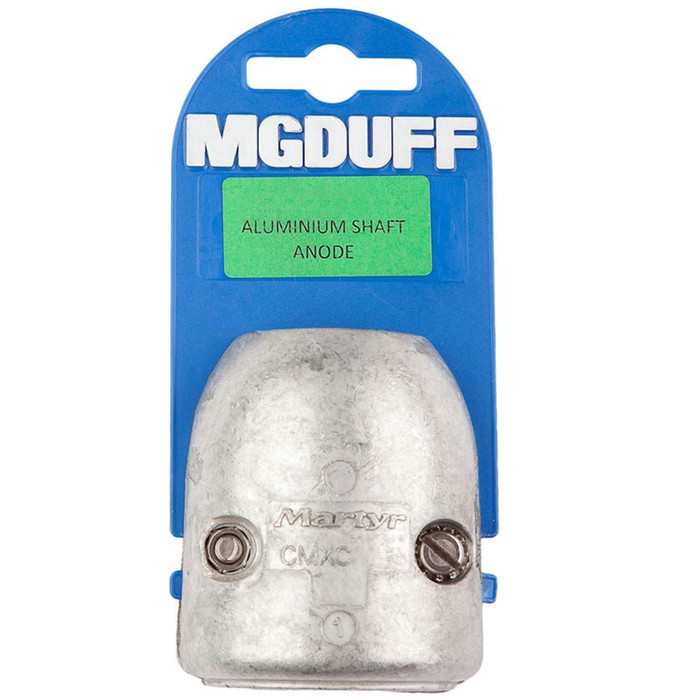
- Shaft anodes fitted directly around a propeller shaft.
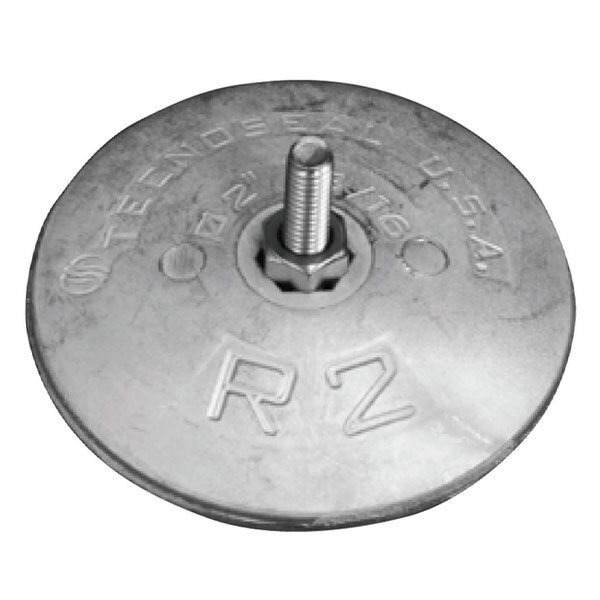
- Rudder anodes used where cathodic protection is required around rudder assemblies.
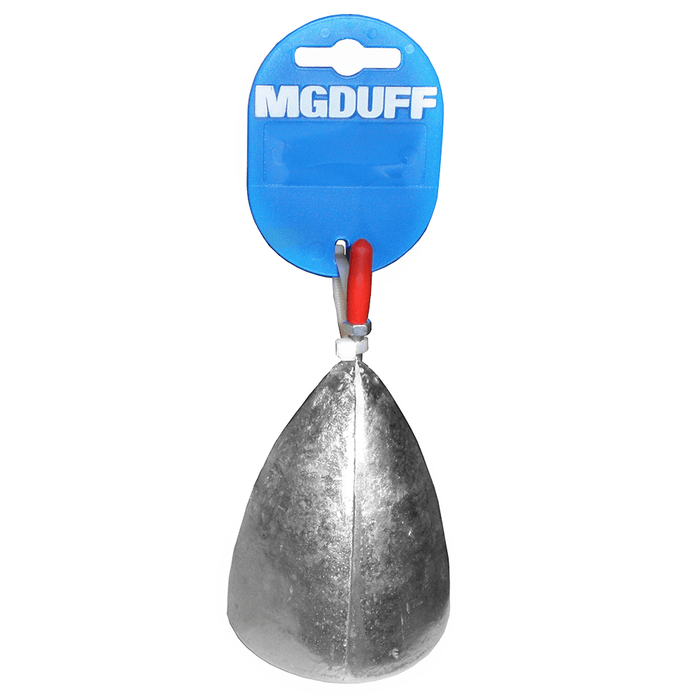
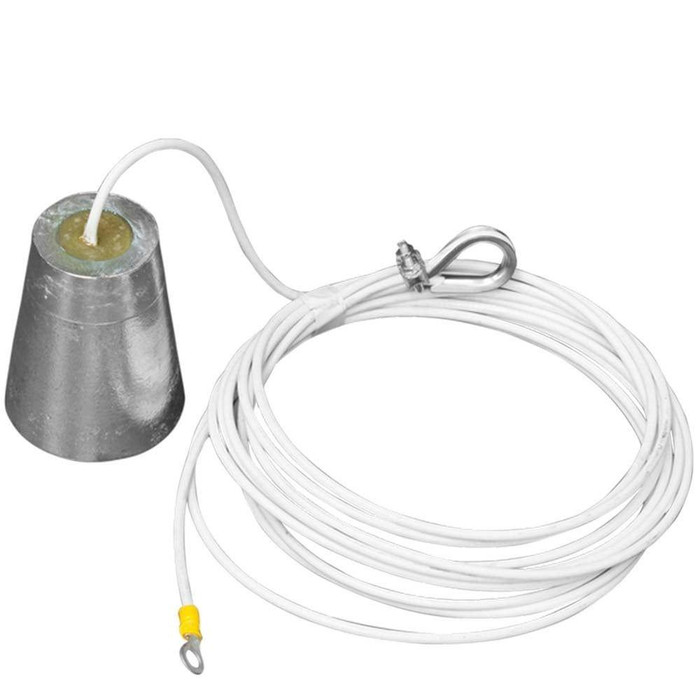
- Hanging anodes used as a removable form of supplementary protection in suitable installations.
Aluminium Engine Anodes
Marine engines and associated cooling systems can contain several different metals exposed to water, so manufacturers often specify sacrificial anodes at particular locations. Aluminium engine anodes are available in a range of forms to suit different engines and installations.
Engine anodes should be selected by checking the equipment manufacturer's specification, dimensions and fitting arrangement rather than relying on appearance alone. Anodes that look similar may differ in thread, length, diameter or intended application.
Hull and Hanging Anodes
Aluminium hull anodes are generally mounted externally and electrically connected to the metalwork they are intended to protect. Depending on the vessel, this may form part of a wider bonding and cathodic protection arrangement. Correct positioning and electrical continuity are important, so existing vessel or manufacturer specifications should be followed where available.
Aluminium hanging anodes provide another option for suitable applications. These are suspended in the water rather than permanently bolted to the hull, but they still require an appropriate electrical connection to the metal being protected. They should not be treated as an automatic substitute for correctly specified permanent anodes.
Propeller, Shaft and Rudder Anodes
Propulsion and steering components are particularly exposed because they remain immersed and may incorporate several different metals. Aluminium propeller anodes are designed around particular propellers, hubs or drive systems, while aluminium shaft anodes typically clamp around the propeller shaft itself.
Shaft anodes must fit securely and maintain good electrical contact with the shaft. Paint, coatings, contamination or an unsuitable installation can prevent the anode from working as intended. Positioning also needs consideration so the anode does not interfere with surrounding components.
For steering gear, aluminium rudder anodes are shaped and mounted to provide protection for suitable rudder assemblies and associated metalwork. As with other marine anodes, compatibility with the vessel's existing cathodic protection arrangement should be considered before changing material or configuration.
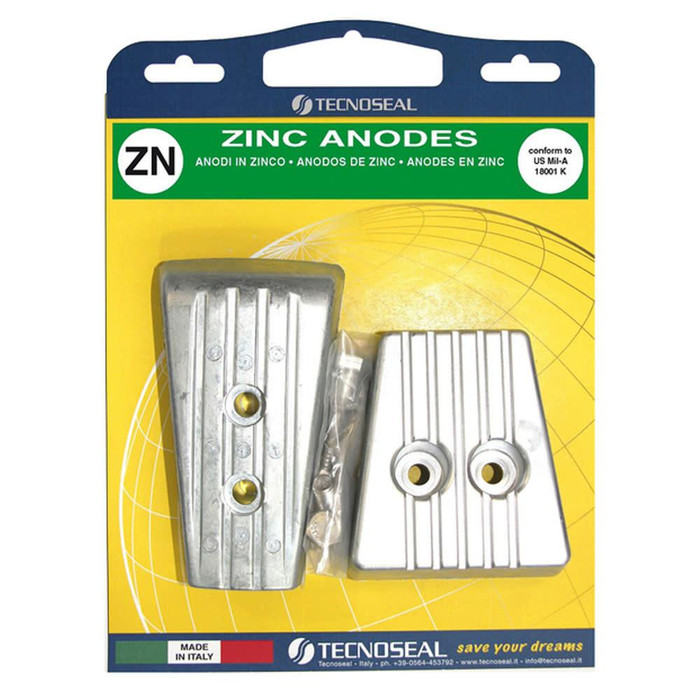
Aluminium vs Zinc and Magnesium Anodes
Aluminium, zinc and magnesium are all used for sacrificial anodes, but they are not universally interchangeable. The appropriate material depends on factors including the water environment, the metals being protected, the existing anode system and any guidance from the boat, engine or equipment manufacturer.
Zinc anodes have a long history of marine use and remain specified for many installations. Magnesium anodes are more reactive and are commonly associated with applications where their particular electrochemical properties are appropriate. Aluminium marine anodes offer another option for many vessels and components, but the correct choice should be based on the application rather than assuming one material is always better.
If you are replacing an existing anode, check what material and specification the vessel or equipment requires. Changing anode material without considering the complete cathodic protection system can alter how the protected metalwork behaves.
Checking and Replacing Boat Anodes
Sacrificial anodes are consumable components, so gradual loss of material is expected. They should be inspected regularly and whenever the boat is lifted or relevant machinery is serviced. How quickly an anode wears depends on the installation, electrical conditions, water environment, vessel usage and the amount of exposed metal being protected.
Do not rely solely on a fixed replacement interval unless one is specified for your equipment. Check the actual condition of each anode and investigate unusually rapid or uneven deterioration, as this can indicate an issue elsewhere in the vessel's electrical or bonding system.
Also avoid allowing an anode to deteriorate so far that its fixing becomes insecure or reliable electrical contact is lost. For engine anodes, follow the inspection and replacement guidance provided for the particular engine or component.
Installation, Electrical Contact and Suitable Fixings
A sacrificial anode must have effective electrical contact with the metal or bonding system it is intended to protect. Installing an anode over paint, heavy oxidation, sealant or another insulating layer can prevent that connection. Contact surfaces should therefore be prepared and fitted in accordance with the relevant installation requirements.
Mechanical security matters too. Hull-mounted anodes may require suitable studs, bolts, backing arrangements or replacement hardware. Our range of anode backing pads and fixing bolts covers installation components for compatible anode arrangements.
When replacing an existing anode, compare its dimensions, fixing centres, mounting method and material before ordering. For engine, propeller or drive-specific products, confirm the exact equipment application wherever possible. Selecting the appropriate aluminium boat anode and fitting it correctly helps ensure the sacrificial protection system can perform as intended.
Why Choose Pirates Cave Chandlery?
Pirates Cave Chandlery are dedicated marine specialists, with years of experience and knowledge in marine equipment. With our team’s extensive background, you are guaranteed to receive the best advice on whichever product you decide to purchase.
Whether you are looking for a new aluminium anode, or are having trouble deciding which type of anode is most suitable, we can help you make an informed choice! Don’t hesitate to contact us by email or give us a call on 01634 295 233, and one of our dedicated customer service team members will be glad to help out.
For all online orders, we offer a quick and secure, fully tracked courier service with the assurance that your order will be shipped promptly and with high standards that we strive for. If you would prefer to purchase your aluminium boat anode in person, we also have one of the largest brick and mortar chandleries in the UK! Feel free to pop in for a chat with us.