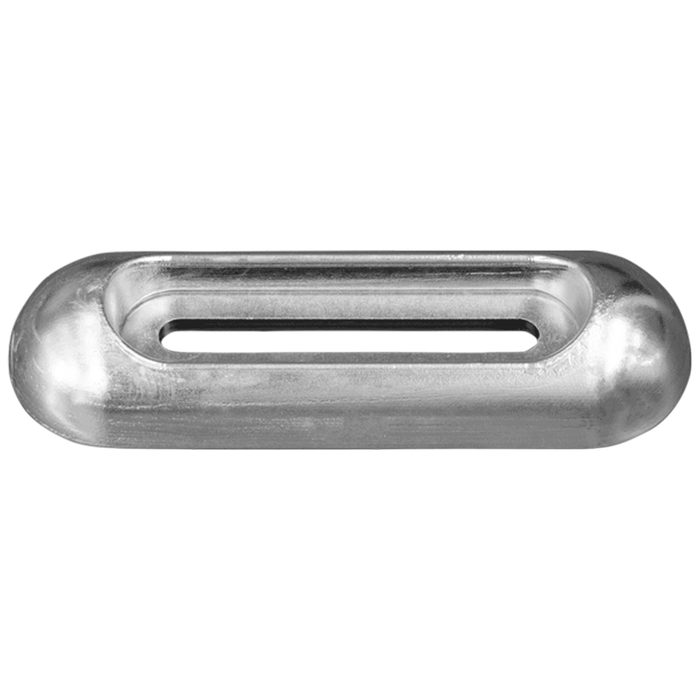
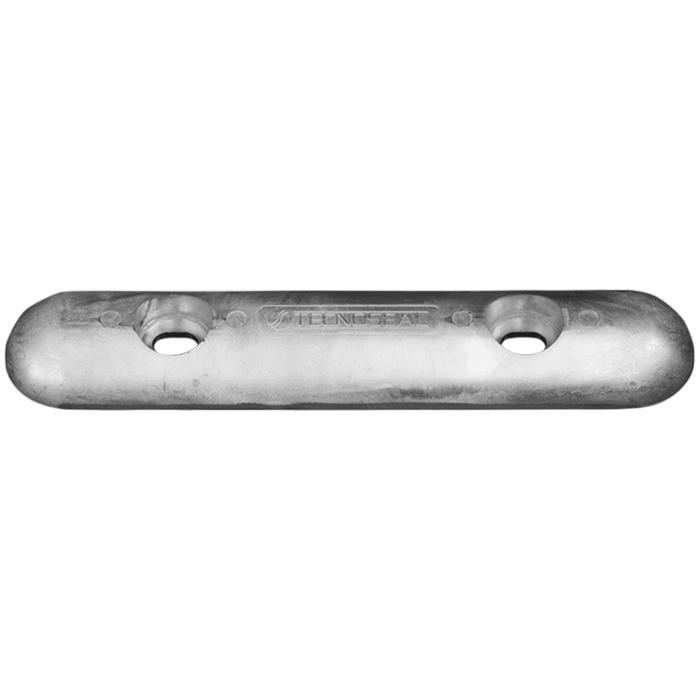
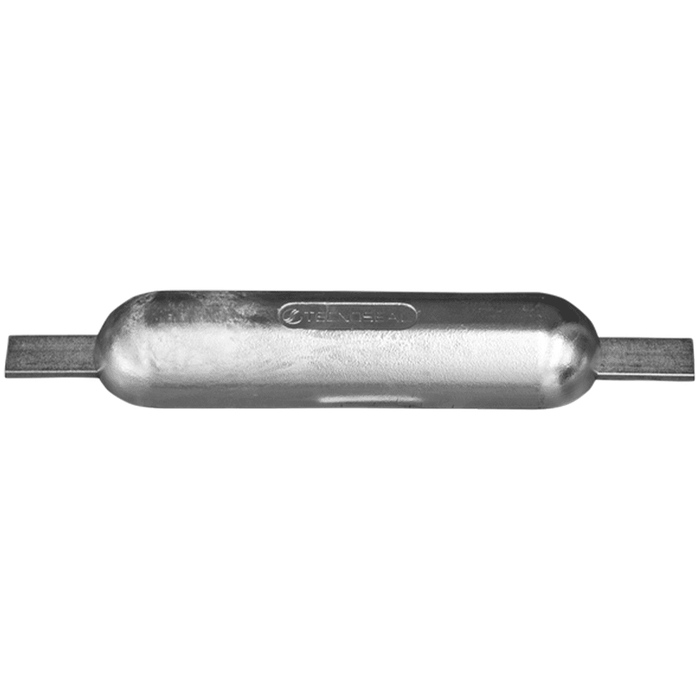
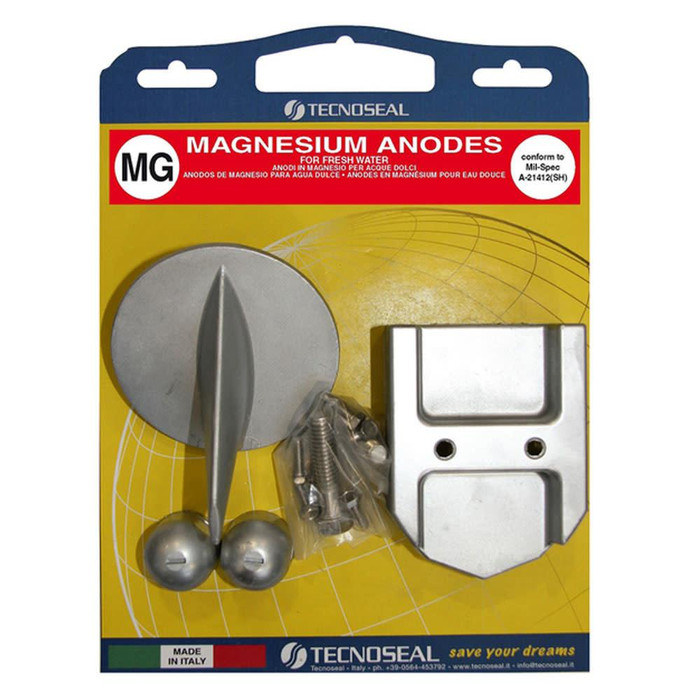
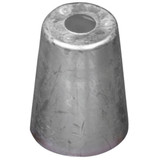
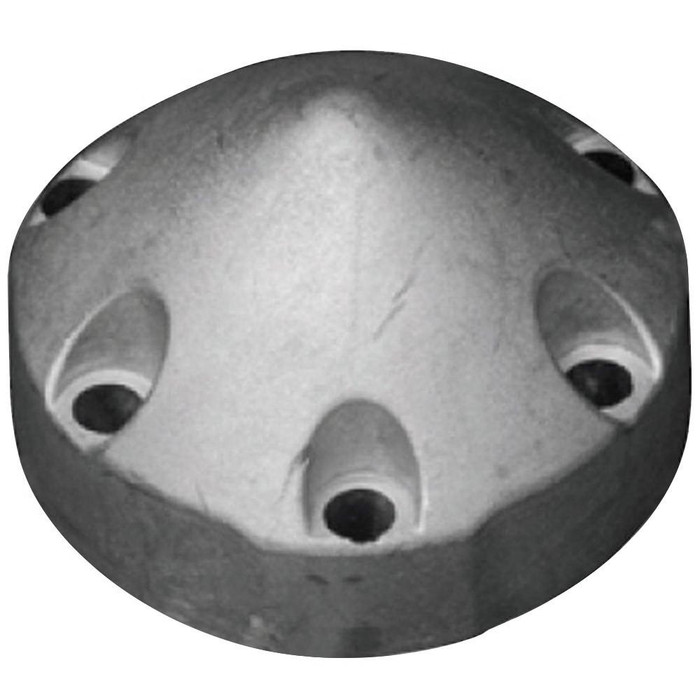
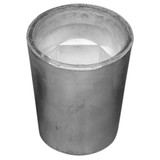
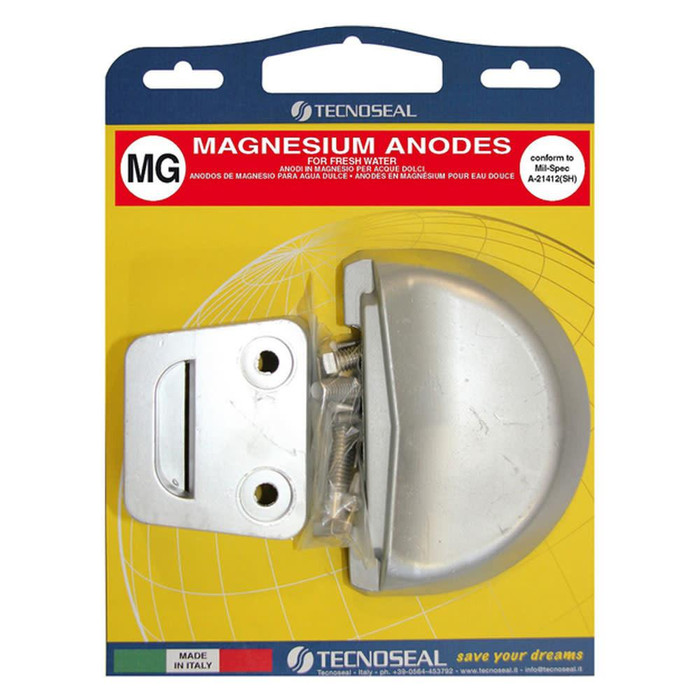
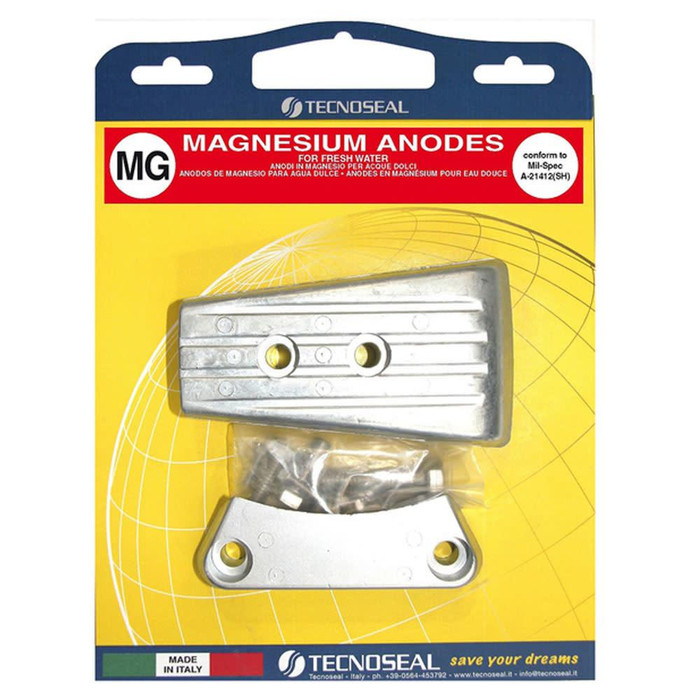
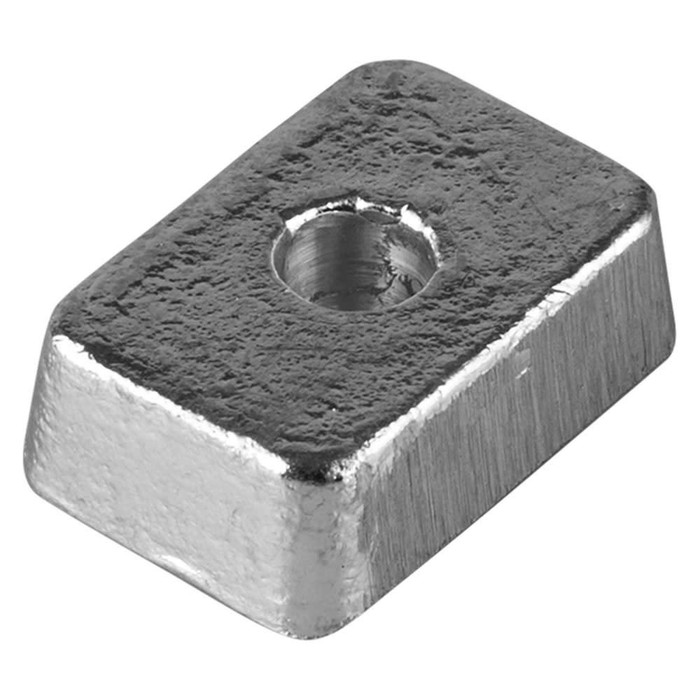
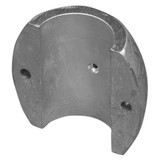
Magnesium anodes are sacrificial anodes used as part of a boat's cathodic protection system. Their job is to corrode in preference to valuable underwater metal components such as propeller shafts, propellers, rudders, stern gear, hull fittings and certain engine or drive components. Because magnesium is a particularly active anode material, magnesium boat anodes are most commonly associated with vessels operating in freshwater, where the relatively low conductivity of the water can make a higher driving voltage useful.
Choosing an anode is not simply a matter of finding a shape that fits. The correct material, dimensions, position and electrical connection all matter. Water chemistry, hull construction, the metals being protected, the size of the protected area and the vessel manufacturer's cathodic protection arrangements can all affect the correct choice. If you are comparing materials or replacing an existing system, our wider boat anodes category also covers aluminium and zinc alternatives.
What Are Magnesium Anodes and How Do They Work?
A magnesium sacrificial anode is made from a magnesium-based alloy selected to be more electrochemically active than the underwater metal it is intended to protect. When the anode and the protected metal are electrically connected and immersed in a suitable electrolyte such as water, the magnesium becomes the sacrificial part of the corrosion cell.
In simple terms, the magnesium anode gives up material through controlled corrosion so that the connected, more valuable metal is less likely to corrode. This process is known as cathodic protection. The anode is designed to be consumed and is therefore a service item rather than a permanent component.
Why Does Galvanic Corrosion Occur on Boats?
Galvanic corrosion can occur when dissimilar metals are electrically connected while immersed in an electrically conductive liquid. Boats commonly contain combinations of bronze, stainless steel, aluminium, steel and other alloys below the waterline. Differences in their electrochemical potential can create a small electrical current, causing the more active metal in the corrosion cell to deteriorate.
Water acts as the electrolyte that allows this electrochemical process to take place. Its conductivity and chemistry influence how readily current can flow, which is one reason the appropriate sacrificial anode material can change between freshwater, brackish water and seawater.
A correctly designed sacrificial anode system deliberately introduces a metal that is sufficiently active to sacrifice itself instead of the components that need protecting. For that system to work, the anode must have an effective electrical path to the relevant protected metal; simply mounting a piece of magnesium somewhere underwater does not necessarily provide protection.
Why Are Magnesium Anodes Used in Freshwater?
Magnesium is generally selected for freshwater because it has a comparatively high electrochemical driving voltage. Freshwater normally has much lower electrical conductivity than seawater, so a more active anode can help provide the current required for effective cathodic protection.
This is why magnesium is widely used for freshwater boat anodes, including magnesium hull anodes, shaft anodes and application-specific engine or drive anodes. Marine anode manufacturers commonly specify magnesium products specifically for freshwater operation.
That does not mean magnesium should automatically be fitted to every boat that enters freshwater. Cathodic protection must be considered as a system. The hull material, protected components, existing bonding arrangements, manufacturer's instructions and the amount of anode material fitted can all be relevant.
What Happens if Magnesium Anodes Are Used in Saltwater?
Magnesium is generally too active for prolonged use in seawater. Its consumption can accelerate considerably, shortening anode life and potentially providing more cathodic protection current than the installation requires. For this reason, magnesium marine anodes are normally specified for freshwater rather than saltwater service.
A boat that regularly moves between fresh, brackish and salt water needs more careful consideration than a boat permanently kept on an inland lake or river. Depending on the equipment and operating pattern, an appropriate Aluminium Anode system may be preferable to repeatedly exposing magnesium anodes to seawater. Always check the engine, drive or vessel manufacturer's instructions where an anode material is specified.
Types of Magnesium Anodes
Magnesium sacrificial anodes for boats are produced in different shapes because effective cathodic protection requires the anode to be appropriately positioned and electrically connected to the component it protects. Selecting by application can therefore be just as important as selecting the correct alloy.
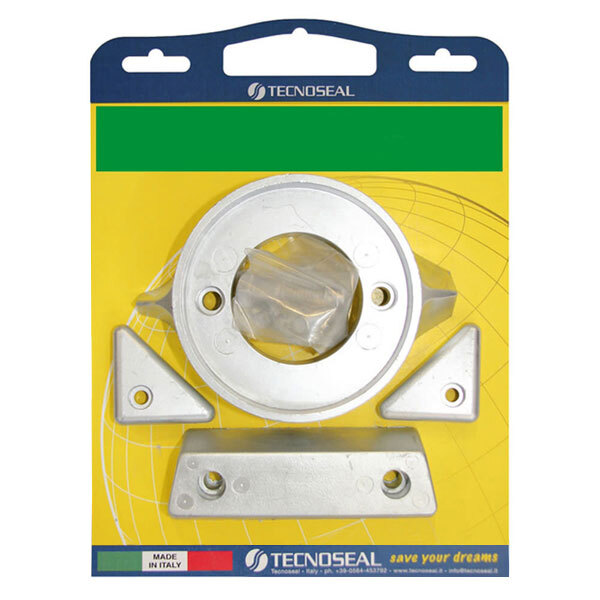
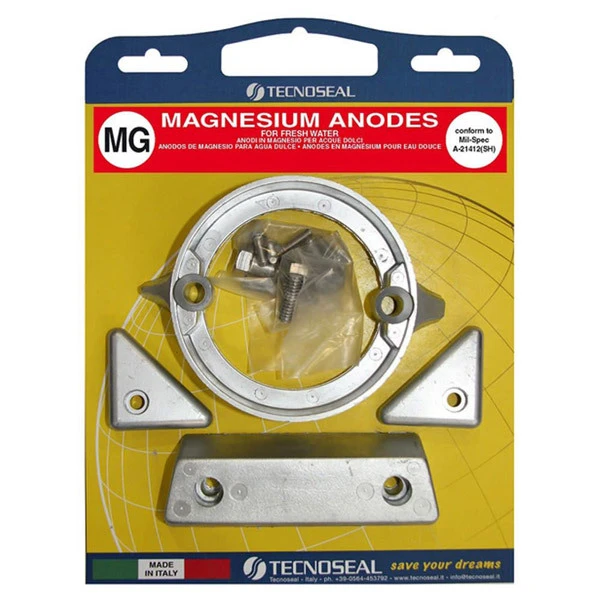
- Magnesium Engine Anodes are designed for compatible engines, outdrives, saildrives and associated cooling or underwater components. Engine anodes can be highly model-specific, so thread size, dimensions, part references and manufacturer guidance should be checked rather than choosing by appearance alone.
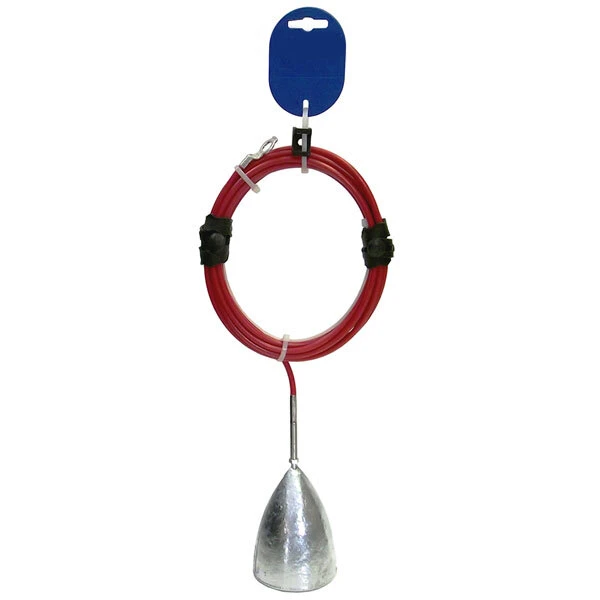
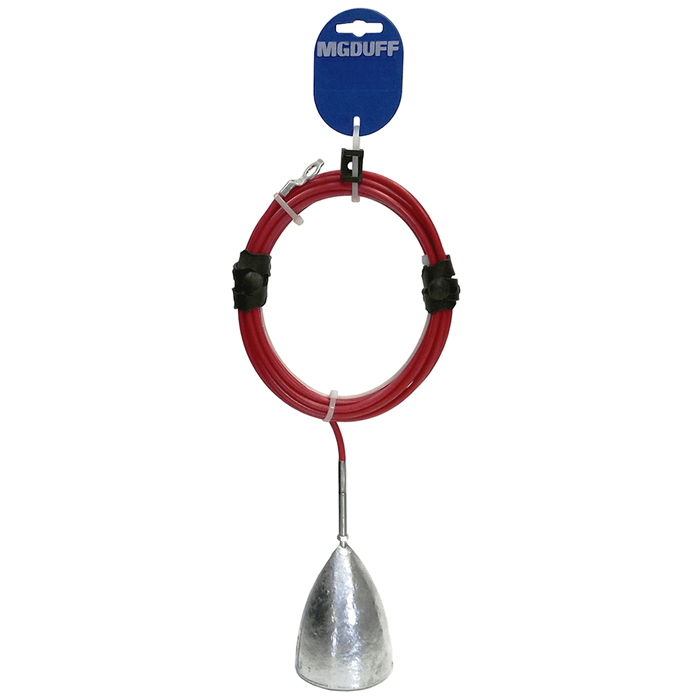
- Magnesium Hanging Anodes are suspended in the water and electrically connected to the vessel. They can provide supplementary protection while a boat is moored, but their effectiveness depends on correct positioning and a sound electrical connection to the system being protected.
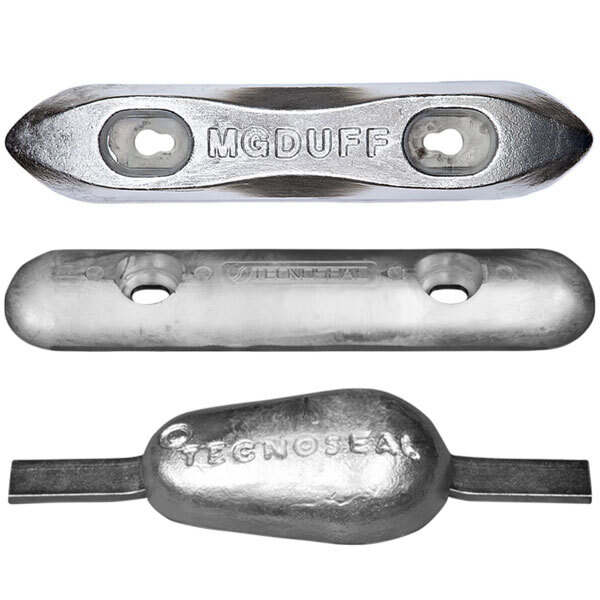
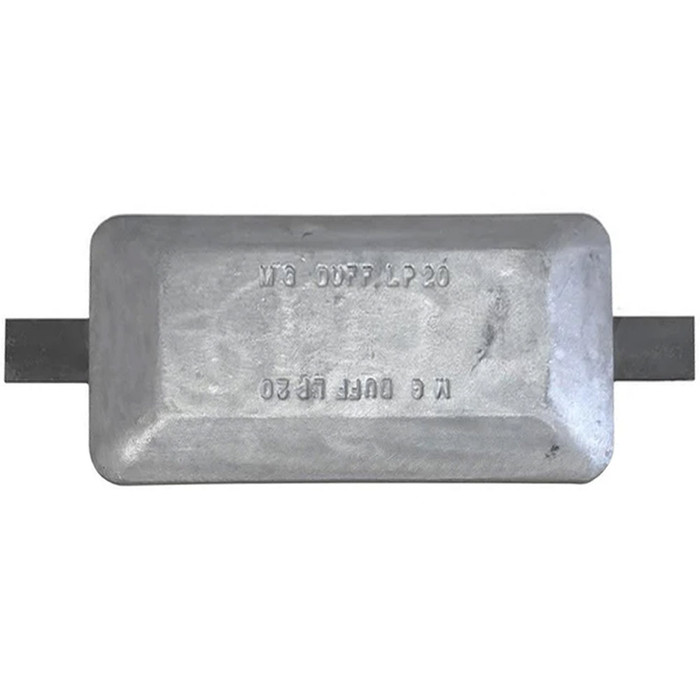
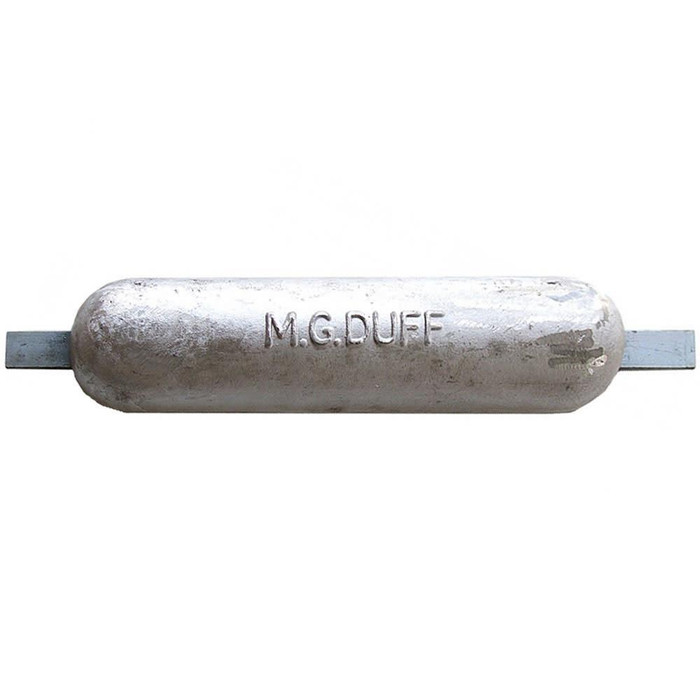
- Magnesium Hull Anodes are mounted below the waterline and may protect bonded underwater equipment or, on suitable vessels, areas of metallic hull. The number, size and placement required depend on the vessel and cathodic protection design.
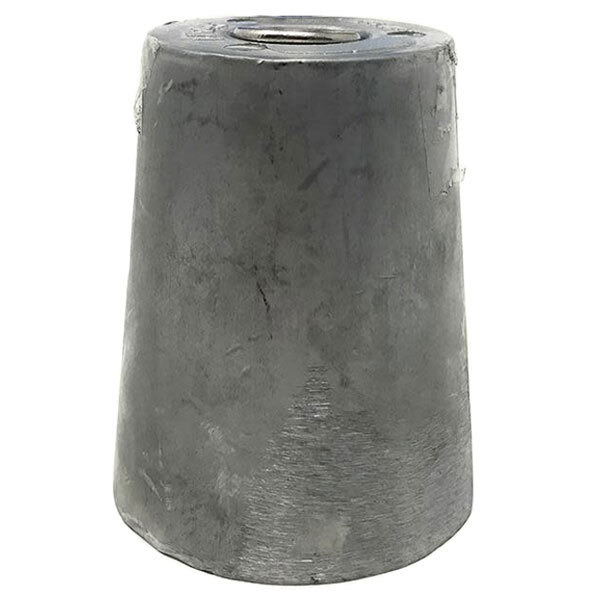
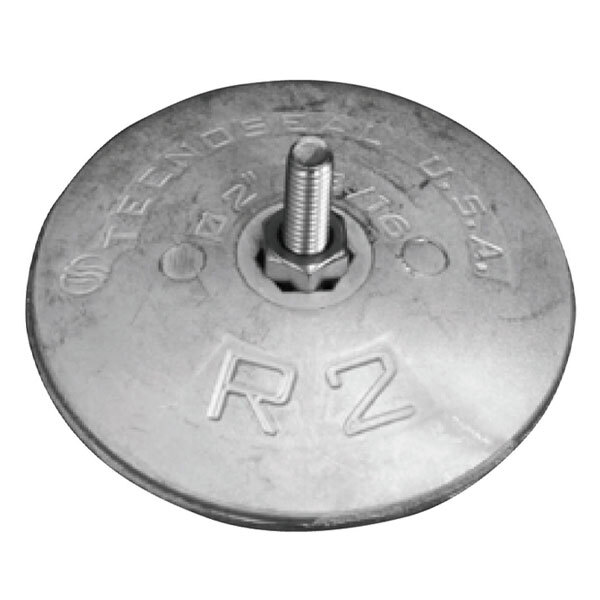
- Magnesium Propeller Anodes are made for compatible propeller assemblies and hubs. Because many are product-specific, check the propeller manufacturer, model, fixing arrangement and dimensions carefully.
- Magnesium Rudder Anodes provide local cathodic protection for suitable metal rudders, stocks or related components. Whether a rudder should have its own anodes or form part of a wider bonded system depends on its construction and the vessel's protection arrangement.
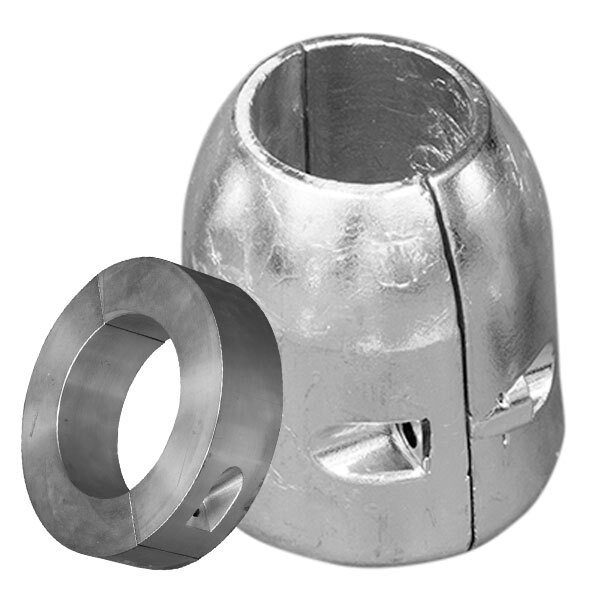
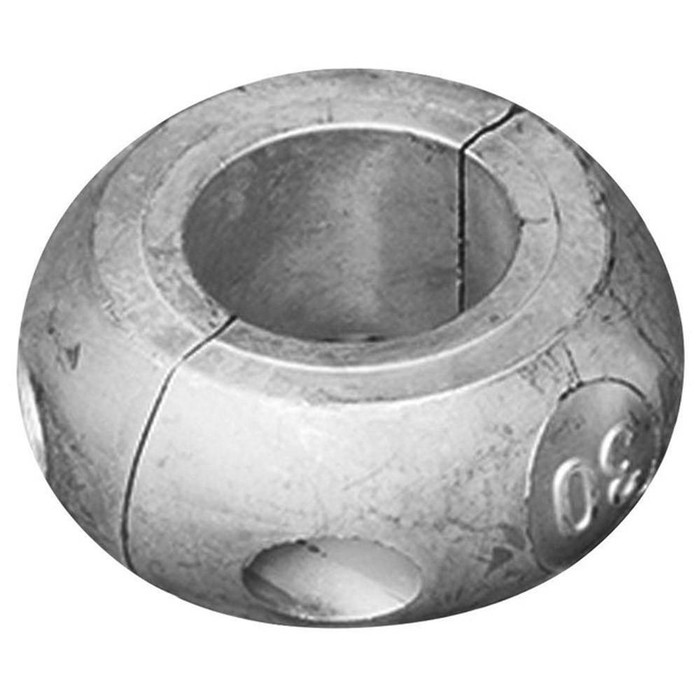
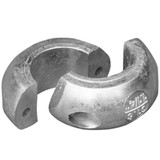
- Magnesium Shaft Anodes are usually collar-style anodes secured directly around a propeller shaft. Correct shaft diameter and intimate electrical contact with clean shaft metal are essential.
Magnesium Engine Anodes
Engines and propulsion systems may contain sacrificial anodes in several locations. Depending on the equipment, these can include pencil or plug-style anodes in cooling passages as well as external anodes on outboards, sterndrives or saildrives. Some magnesium replacements are explicitly produced for freshwater versions of particular engine and drive applications.
Do not assume that every anode fitted to an engine should be changed to magnesium simply because the boat is in freshwater. Internal cooling systems and external propulsion components can have different requirements. Match replacement boat anodes to the manufacturer's specified material and part application wherever that information is available.
Magnesium Hanging Anodes
A hanging anode, sometimes described as an over-the-side anode, is placed in the water near the equipment requiring protection and connected electrically to the vessel. It can be particularly useful as supplementary corrosion protection for a boat that spends significant periods stationary at a freshwater berth.
The cable or connection is not merely there to stop the anode sinking: it forms part of the electrical circuit. An anode hanging beside a boat without the required electrical connection to the protected system cannot be assumed to provide effective cathodic protection.
Magnesium Hull, Propeller, Rudder and Shaft Anodes
Hull-mounted anodes can form part of a broader bonded cathodic protection system, while propeller, rudder and shaft anodes may provide more local protection. The arrangement needs to account for which underwater metals are electrically continuous with one another.
For example, an insulated flexible shaft coupling can interrupt electrical continuity between parts of the propulsion system. Likewise, painted surfaces, insulating bushes and poorly maintained bonding cables can change the electrical path. Manufacturer installation instructions should therefore take precedence over assuming that one hull anode will automatically protect every underwater fitting.
How to Choose the Correct Magnesium Boat Anode
Start by identifying the component you need to protect and the water in which the boat spends most of its time. From there, check the existing anode, the equipment manufacturer's specification and the vessel's bonding arrangement.
- Check the water type. Magnesium is principally associated with freshwater. Boats operating permanently or regularly in salt or brackish water may require a different alloy.
- Identify the exact component. Shaft, propeller, rudder, hull and engine anodes are not necessarily interchangeable even when they are made from the same alloy.
- Match dimensions accurately. Check shaft diameter, fixing centres, bolt or thread size, profile and other relevant measurements.
- Check the manufacturer's specification. Outboards, sterndrives, saildrives, folding propellers and engine anodes can have equipment-specific requirements.
- Consider hull construction. GRP, steel, aluminium, ferrocement and timber vessels can require different installation and bonding arrangements.
- Consider the complete cathodic protection system. Adding a larger or more active anode is not automatically better. Excessive or incorrectly applied protection can create its own problems.
- Check electrical continuity. The anode needs a reliable electrical connection to the metal it is intended to protect.
Matching an Anode to a Propeller Shaft
For a shaft anode, measure the shaft accurately rather than estimating its size. Imperial and metric shaft diameters can be close enough to cause confusion, but an incorrectly sized collar may fail to clamp securely or make proper electrical contact.
The mating area of the shaft should be clean and free from paint, scale, heavy oxidation or other contamination before installation. Both halves of a collar anode should seat correctly and its fixings should be tightened evenly in accordance with the product instructions.
Matching Engine, Propeller and Drive Anodes
Where an anode is designed specifically for an engine, outboard, sterndrive, saildrive or proprietary propeller, use the manufacturer's part number or a reliable cross-reference where possible. Small differences in hole centres, threads or profile can determine whether an apparently similar anode actually fits and functions correctly.
Do not modify a sacrificial anode simply to make an unsuitable part fit unless the product or equipment manufacturer specifically permits it.
Electrical Contact and Correct Installation
Good electrical continuity is fundamental to boat corrosion protection. A sacrificial anode can only protect metal that forms part of the intended electrical circuit.
For an anode designed to mount directly on a metal component, the appropriate contact surfaces normally need to be clean enough to establish low-resistance metal-to-metal contact. For remotely mounted hull anodes, electrical continuity may instead be provided through the anode's insert, fixing arrangement and bonding system. Follow the installation method intended for the particular anode rather than assuming that every design makes contact in the same way.
Keep the Working Surface of the Anode Bare
Antifouling, paint, sealant and other coatings should not cover the active working surface of a sacrificial anode. A coating can isolate the anode from the water and stop it performing its intended electrochemical function. Anode manufacturers therefore specify that the working surface remains unpainted.
The same principle applies to unwanted contamination between a directly mounted anode and the component with which it must make electrical contact. If a shaft anode is clamped over paint, corrosion products or another insulating layer, its performance may be compromised.
Backing Pads and Fixing Hardware
Correct installation can also require suitable backing sheets, studs, nuts, washers and other hardware. Browse Backing Pads & Fixing Bolts when replacing a hull-mounted anode and check whether the installation calls for associated hardware to be renewed at the same time.
On appropriate installations, an anode backing pad can help control wastage at the rear of a hull anode so that its mountings remain secure. Suitable backing material can also provide a barrier between the anode and a GRP hull, where alkaline products associated with cathodic protection may otherwise affect the surrounding area.
Fixing hardware must hold the anode securely while maintaining the electrical arrangement intended by the manufacturer. Serrated or fan-type washers are used in some systems to help establish reliable electrical contact. Do not substitute components or add insulating sealants between electrically critical surfaces unless the specified installation requires them.
Inspecting and Replacing Magnesium Anodes
A sacrificial anode is supposed to deteriorate. Gradual loss of magnesium is therefore normally evidence that it is participating in the cathodic protection process rather than a defect in the product.
Inspect underwater anodes whenever the boat is lifted and check accessible anodes periodically between lift-outs. Engine and drive anodes may need separate checks at the service intervals specified by their manufacturer. Boats in electrically demanding berths or with a history of rapid anode consumption merit more frequent inspection.
When Should a Magnesium Anode Be Replaced?
Replacement is normally necessary once an anode has lost enough material that it can no longer be expected to provide effective protection or remain securely attached. Some marine cathodic protection guidance uses approximately 50% consumption as a replacement point, but this should not be treated as a universal rule for every anode and installation. Product-specific and equipment-manufacturer limits take priority.
Replace an anode earlier if its remaining material is badly uneven, cracked, loose, no longer securely attached or has deteriorated around its mounting hardware. An anode that looks substantial overall may still need replacement if the remaining material cannot maintain secure contact.
Signs an Anode May Need Attention
- Substantial loss of the original anode material.
- Deep or uneven wastage that has weakened the fixing points.
- Loose mounting bolts or a shaft collar that can move.
- Cracking or separation of the sacrificial material from its insert or fixing arrangement.
- Unexpected corrosion appearing on the component that the anode should be protecting.
- A large change in consumption rate compared with previous seasons.
Why Is My Magnesium Anode Disappearing So Quickly?
Rapid consumption can have several causes. Magnesium used in water for which it is too active can waste quickly, particularly in seawater. Changes to the amount or type of underwater metal connected to the cathodic protection system can also increase demand.
Abnormally high consumption may additionally justify investigating electrical leakage or stray-current corrosion, shore-power arrangements, bonding changes and influences from nearby installations. Rapid anode loss should not automatically be solved by fitting progressively larger anodes without first considering why consumption has increased.
Why Is My Anode Not Corroding?
An anode that remains almost unchanged for a long period is not necessarily good news. Sacrificial anodes are expected to be consumed to some degree while operating.
Little or no deterioration can indicate poor electrical continuity, an insulating layer between the anode and the protected component, a painted or coated anode surface, a broken bonding connection or an anode material that is unsuitable for the environment. An insulated flexible shaft coupling can also interrupt a protection path if the installation relies on bonding across it.
The actual consumption rate varies considerably, however, so lack of obvious visual wastage alone does not diagnose a fault. Water chemistry, immersion time, protected surface area and the electrical characteristics of the vessel all influence anode behaviour.
Magnesium vs Aluminium vs Zinc Anodes
Magnesium, aluminium and zinc are all used to provide sacrificial cathodic protection, but they are not interchangeable in every environment. The correct selection depends on water conditions, protected metals and the design of the boat's cathodic protection system.
Magnesium Anodes
Magnesium provides a relatively high driving voltage and is therefore commonly used in freshwater, where conductivity is comparatively low. It is generally unsuitable for prolonged seawater service because it can become excessively active and be consumed rapidly.
Magnesium may also require special consideration on certain hull materials. For example, timber vessels can be susceptible to damage associated with excessive cathodic protection, so specialist or manufacturer guidance should be obtained rather than simply converting an existing system to magnesium. :contentReference[oaicite:9]{index=9}
Aluminium Anodes
Aluminium Anodes use specialised sacrificial aluminium alloys rather than ordinary structural aluminium. They are commonly selected for salt and brackish water, and some formulations and applications may cover a wider range of water conditions. Their suitability still depends on the particular alloy, vessel and equipment manufacturer's requirements.
Aluminium anodes can be especially useful for boats operating through changing salinity where a magnesium-only freshwater system would be inappropriate. Do not assume, however, that any aluminium anode can replace any magnesium or zinc component simply because its dimensions are similar.
Zinc Anodes
Zinc Anodes are the traditional sacrificial choice for many seawater applications. Zinc is generally associated with saltwater rather than freshwater, and its performance can be reduced in lower-salinity conditions if surface films interfere with anode activity.
Which Anode Material Should I Choose?
- Freshwater: magnesium is commonly the preferred material where the vessel and equipment are suitable for it.
- Brackish water: a suitable marine aluminium anode is commonly selected.
- Saltwater: zinc and suitable aluminium alloys are widely used, subject to equipment specifications.
- Mixed-water operation: obtain guidance for the particular vessel and equipment rather than assuming a freshwater magnesium installation can remain unchanged in seawater.
These are useful starting points rather than universal rules. The manufacturer's specified anode material should be followed for equipment where a particular alloy is required. Published marine guidance similarly differentiates magnesium for freshwater, aluminium for salt or brackish applications and zinc principally for saltwater use.
Practical Tips for Effective Boat Corrosion Protection
- Choose the anode alloy for the boat's actual operating water, not simply the material that was fitted by a previous owner.
- Confirm application and dimensions before ordering replacement boat anodes.
- Keep sacrificial anode surfaces free from antifouling and paint.
- Ensure direct-mount anodes make the electrical contact required by their design.
- Keep bonding connections clean, tight and in good condition where a bonded cathodic protection system is used.
- Check flexible couplings, insulating components and continuity arrangements when diagnosing poor anode performance.
- Record anode condition at each inspection. Comparing photographs from one service to the next can help identify changes in consumption rate.
- Investigate unexpectedly fast or unexpectedly slow wastage rather than treating either condition as automatically normal.
- Do not simply add more anode material without considering the effect on the complete cathodic protection system.
- Follow vessel, engine, drive and propeller manufacturer instructions wherever they specify an anode material, size or replacement procedure.
Frequently Asked Questions About Magnesium Anodes
What are magnesium anodes used for on a boat?
Magnesium anodes are sacrificial components used to help protect electrically connected underwater metals against galvanic corrosion. Depending on the vessel, they may protect shafts, propellers, rudders, hull fittings, metal hull areas, engines, outdrives or other immersed equipment. They are mainly associated with freshwater cathodic protection because magnesium provides a strong electrochemical driving voltage.
Are magnesium anodes suitable for freshwater?
Yes. Magnesium is widely specified for freshwater boat anodes and is normally the most active of the common magnesium, aluminium and zinc sacrificial-anode choices. That makes it useful in relatively low-conductivity freshwater. The correct material must still be confirmed against the boat, equipment and cathodic protection system.
Can magnesium anodes be used in saltwater?
Magnesium is generally not recommended for prolonged saltwater service. It can become excessively active in seawater, resulting in rapid consumption and potentially excessive cathodic protection. Boats that operate in both fresh and salt water require an anode strategy appropriate to that mixed use rather than assuming magnesium is suitable in both environments.
What is the difference between magnesium, aluminium and zinc boat anodes?
The principal difference for buyers is their electrochemical behaviour in different water conditions. Magnesium is highly active and commonly used in freshwater. Marine aluminium alloys are widely used in salt and brackish water and, depending on the specific alloy and application, can offer a broader operating range. Zinc remains a traditional choice for seawater. The equipment manufacturer's specification and the vessel's existing cathodic protection design should always be considered before changing material.
How often should magnesium anodes be replaced?
There is no single replacement interval that applies to every boat. Anode consumption depends on water conditions, immersion time, the amount and type of protected metal, electrical continuity and other factors. Inspect them regularly and replace them once consumption reaches the limit specified for the particular installation, or sooner if they become loose, damaged or too wasted to remain effective. A figure around 50% wastage is used in some marine guidance, but manufacturer-specific instructions should take priority.
Why is my magnesium anode corroding very quickly?
Check first that magnesium is appropriate for the water. Exposure to saltwater can greatly increase its consumption. If the alloy is correct for the environment, unusually rapid wastage can justify checking the vessel's bonding and electrical systems, changes to underwater equipment, shore-power arrangements and possible stray-current influences.
Why does my sacrificial anode show almost no corrosion?
An anode that is not wasting at all may not be electrically connected to the component it is intended to protect. Other possibilities include contamination or paint on the anode, corrosion or coating at a required contact surface, damaged bonding conductors, an insulated component interrupting electrical continuity, or selection of an unsuitable anode material. A low consumption rate can also be legitimate in some installations, so assess the complete system rather than relying on appearance alone.
Can I mix magnesium, aluminium and zinc anodes on the same boat?
A mixture should not be introduced casually. Different sacrificial alloys have different electrochemical potentials, and electrically connected anodes can interact so that the more active material carries a disproportionate share of the protection current. When changing anode material, follow the vessel or equipment manufacturer's recommendations and consider the complete connected cathodic protection system rather than replacing individual anodes independently. Marine anode guidance commonly recommends changing connected external anodes as a system when switching between materials.
How do I know which magnesium anode fits my boat?
Identify both the equipment and the existing anode before ordering. For a shaft anode, accurately measure the shaft diameter. For propellers, rudders, engines, sterndrives and saildrives, check manufacturer, model, part reference, hole centres, thread size and relevant dimensions. For hull-mounted anodes, also consider the protected surface area and bonding arrangement. Matching the shape alone is not enough to confirm that an anode is suitable.
Why Choose Pirates Cave Chandlery?
Pirates Cave Chandlery are dedicated marine equipment specialists, with decades of experience between the team in understanding and delivering the best products for our customers.
We love to share our knowledge, so whether you are looking for new magnesium boat anodes or confused about what type of anodes you require, our team can help you make an informed decision. With Pirates Cave, you can always expect great advice when it comes to deciding on the most appropriate product for you - just ask us, we’re happy to help!
You can get in touch with us by email or give us a call on 01634 295 233, and one of our customer service team will be glad to help out. We offer a quick and secure fully tracked shipping service for all online orders, with the high standards that we strive for from the point of purchase all the way through to delivery at your door. Alternatively, if you prefer to discuss your magnesium anodes for boats with us, we also have one of the largest chandleries in the UK - pop in for a chat!