Zinc Shaft Anodes for Saltwater Corrosion Protection
Zinc shaft anodes help protect propeller shafts, stern gear and connected underwater metalwork from corrosion. Installed directly onto the propeller shaft, they are designed to corrode in preference to more valuable components, reducing the risk of galvanic corrosion damaging the shaft, propeller or associated fittings.
Choosing the correct anode is not simply a matter of selecting one that looks approximately the right size. The internal diameter must match the shaft accurately, the anode material must suit the water in which the boat is kept, and the two halves must make secure, direct electrical contact with clean shaft metal.
Our range of zinc shaft anodes includes common collar-style and bolt-together designs for different propeller shaft diameters. Before ordering, check whether your shaft is metric or imperial and confirm the exact internal diameter and external dimensions of the anode.
What Are Zinc Shaft Anodes?
Zinc shaft anodes are sacrificial metal fittings attached to a boat’s propeller shaft. Their purpose is to provide cathodic protection to the shaft and other electrically connected underwater metals. When different metals are immersed in an electrolyte such as seawater, a small electrical current can flow between them. The less noble metal corrodes first. This process is known as galvanic corrosion and can gradually damage propeller shafts, propellers, stern gear, rudders and other submerged components.
A zinc anode is deliberately made more reactive than the metalwork it is intended to protect. Instead of the propeller shaft losing material, the zinc gradually deteriorates. This is why zinc propeller shaft anodes are described as sacrificial shaft anodes: they are expected to wear away as part of their normal operation.
Why Propeller Shafts Need Sacrificial Protection
Propeller shafts operate in a particularly demanding environment. They remain immersed for extended periods, are commonly manufactured from stainless steel and may be connected to bronze propellers, couplings, bearings and other metals. Whenever dissimilar metals are electrically connected underwater, there is a possibility of galvanic activity. Saltwater is an effective electrolyte, so corrosion can occur more rapidly than it would in freshwater.
Zinc anodes for boat shafts provide a controlled sacrificial point within this metal system. Provided that the anode is correctly selected, securely fitted and in direct contact with the shaft, it should corrode before the shaft and connected underwater fittings.
The anode does not prevent every form of corrosion. It cannot compensate indefinitely for stray electrical current, faulty wiring, unsuitable shore-power installations or serious bonding-system problems. Unusually rapid anode loss should therefore be investigated rather than treated simply by fitting more zinc.
Are Zinc Shaft Anodes Suitable for Your Boat?
Zinc has traditionally been used for saltwater boat anodes and remains a common choice for vessels kept in seawater. It generally performs most effectively where salinity is consistently high enough to keep the zinc active.
Water conditions should always be considered before choosing an anode material. Aluminium anodes are commonly used in saltwater and brackish water, while magnesium anodes are generally intended for freshwater. Magnesium is usually too active for seawater applications.
Boats that regularly move between freshwater, brackish water and saltwater may require more careful assessment. An anode that performs correctly in one environment may become less effective or deteriorate too rapidly in another.
Owners requiring an alternative material can compare Aluminium Shaft Anodes and Magnesium Shaft Anodes. Where there is uncertainty, consult the boat manufacturer, shaft supplier, an experienced marine engineer or a corrosion specialist before changing anode material.
Shaft Anodes, Hull Anodes and Propeller Anodes
Different anodes are designed to protect different areas of a vessel. Boat shaft anodes clamp directly around the propeller shaft. Their proximity and electrical contact make them particularly relevant to the shaft and connected stern gear.
Zinc Propeller Anodes are shaped to fit specific propellers, propeller nuts or hubs. These should not automatically be treated as substitutes for shaft anodes because their fit, contact point and protective relationship may be different. Zinc Hull Anodes are normally attached to the hull or to an external bonding arrangement. They are available in various shapes and fixing configurations to protect larger areas of underwater metalwork. Zinc Engine Anodes are fitted within engines, heat exchangers, cooling passages and other manufacturer-specified locations. They are generally model- or application-dependent and should be replaced in accordance with the engine manufacturer’s servicing guidance. Other underwater components may use dedicated Zinc Rudder & Trim Tab Anodes. Each anode should be selected for its intended position rather than simply by weight or appearance.
Common Zinc Shaft Anode Designs
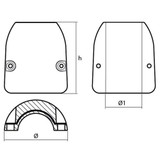
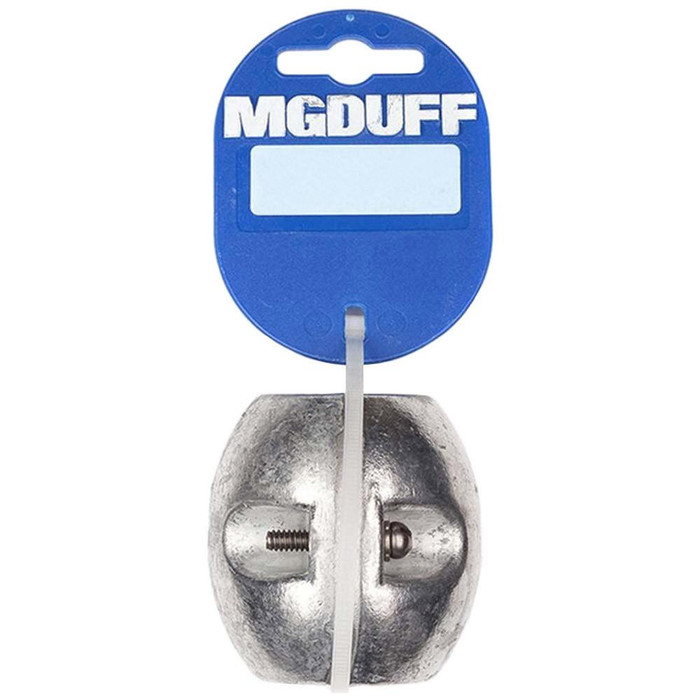
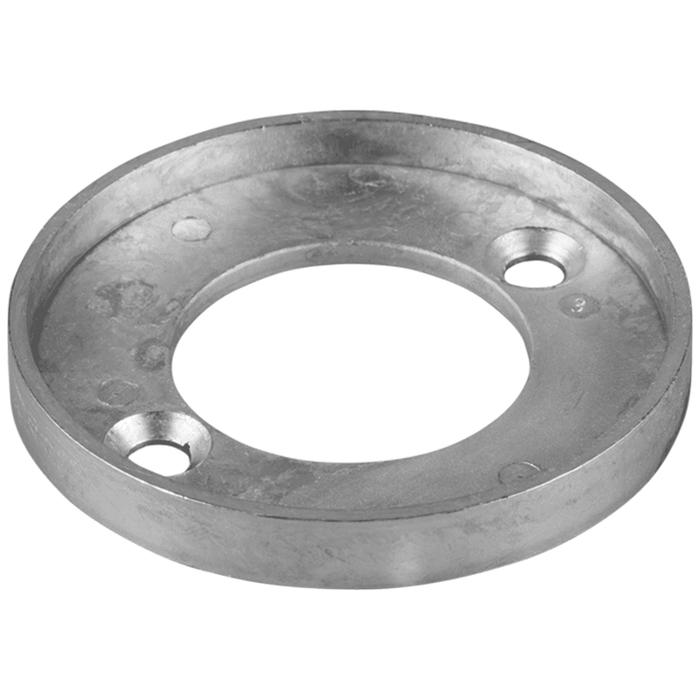
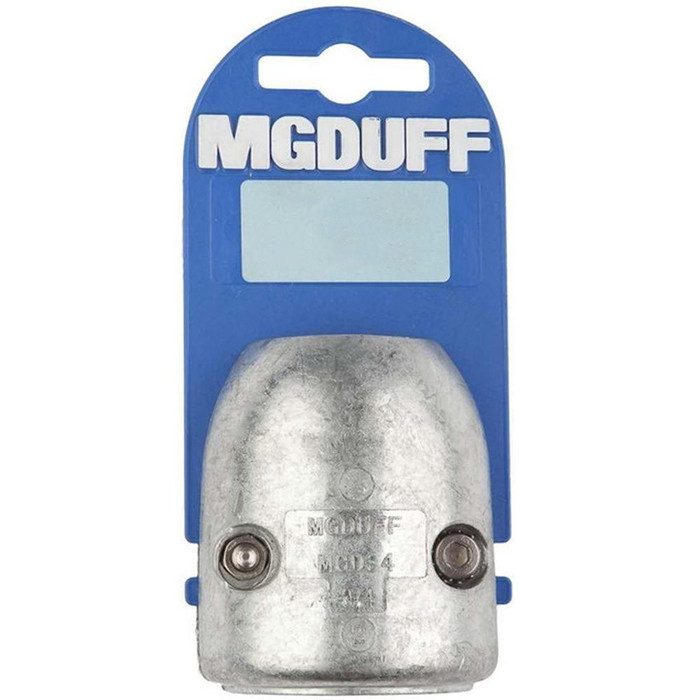
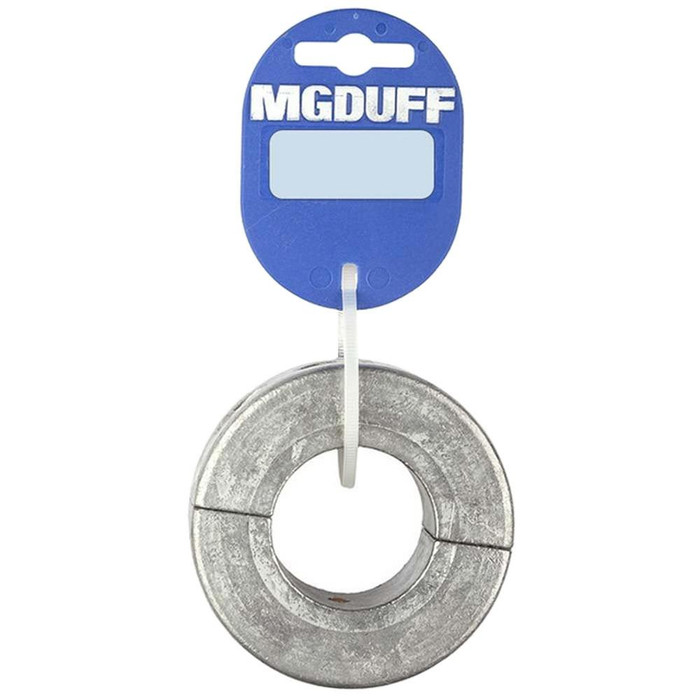
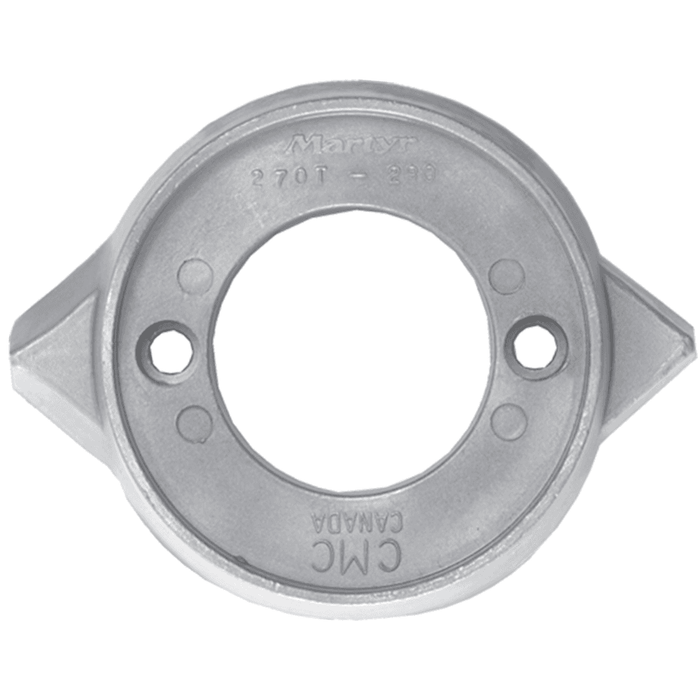
Many zinc collar anodes are manufactured in two matching halves. These fit around the shaft and are drawn together using bolts or machine screws.
The terms split collar, clamp-on and bolt-together shaft anodes are often used to describe similar designs. Some models have an almost spherical external shape, while others have a longer or more streamlined profile.
The correct shape may depend on the available space, the shaft arrangement and the original anode specification. The internal diameter is particularly important. A shaft collar anode that is too small will not close correctly, while one that is too large may not grip the shaft or establish reliable electrical contact.
Replacement fixings should be of the correct type and size for the anode. Suitable Backing Pads & Fixing Bolts may also be required for other types of hull-mounted anode installation.
How to Choose the Correct Zinc Shaft Anode
When considering how to choose a shaft anode, start with three checks: the shaft diameter, the type of water in which the boat is normally kept and the space available around the shaft. The anode’s stated bore or internal diameter must correspond with the actual propeller shaft diameter. You should also compare the anode’s overall length and external diameter with the available installation area.
Check that there is sufficient clearance from the propeller, stern tube, cutless bearing, rope cutter, P-bracket, hull and any other surrounding equipment. The anode must not obstruct the propeller, interfere with moving parts or contact fixed stern gear as the shaft rotates. Where an existing shaft anode has performed correctly, matching its material, bore, shape and overall dimensions is often the most reliable starting point. Do not assume that two anodes with the same external appearance have the same internal diameter.
Measuring Your Propeller Shaft
Customers frequently ask, “What size shaft anode do I need?” The answer should be based on an accurate measurement of the shaft rather than the boat’s overall size or engine power. Measure the shaft diameter on a clean, accessible section using a vernier calliper or another suitable precision measuring tool. Measuring around marine growth, paint, corrosion deposits or an old anode can produce an inaccurate result.
Take more than one measurement where practical and confirm that the measuring tool is reading in the correct unit. If the shaft diameter is difficult to access or the reading falls between recognised sizes, seek professional assistance before ordering. The anode needs to sit firmly around the shaft. A poor fit can prevent proper contact, allow movement during operation or cause the anode to loosen and fall away.
Metric and Imperial Shaft Anode Sizes
Propeller shafts may be manufactured to metric or imperial dimensions. Metric shafts are measured in millimetres, while imperial shafts are commonly measured in inches.
Some measurements appear similar when converted, but they are not necessarily interchangeable. An imperial anode that is slightly larger than a metric shaft may appear to fit while still leaving an unsuitable gap. Similarly, forcing an undersized anode onto the shaft can prevent the two halves from seating correctly. Always identify the original shaft specification where possible. Compare the measured shaft diameter with the exact bore listed for the anode, rather than relying on an approximate conversion or the outside dimensions of the old anode.
How to Fit a Zinc Shaft Anode
Before fitting, the boat should be safely supported and the shaft area made accessible. Installation should never be attempted where the vessel or rotating equipment could move unexpectedly.
Remove marine growth, oxidation, grease, coatings and contamination from the section of shaft beneath the anode. The mating surface should be clean enough to provide direct metal-to-metal contact. A zinc anode fitted over paint, antifouling or heavy corrosion may not be electrically connected to the shaft and may therefore provide little useful protection.
Position the two halves evenly around the shaft and tighten the fixings progressively so that the gap closes uniformly. Follow any fitting instructions supplied with the anode and use the specified fixings where provided. The anode should be secure without being distorted by uneven or excessive tightening.
Once tightened, check that the anode cannot rotate or slide along the shaft. It should also be inspected after the boat has returned to service, particularly following the first period of use. Shaft anodes are often installed between the propeller and the stern bearing or P-bracket, but the correct position depends on the individual shaft arrangement. Adequate clearance must remain around the propeller, hull, bearing, rope cutter and other stern gear. A marine engineer should assess installations where space is restricted.
This fitting guidance is general information and is not a substitute for inspecting the vessel or following the recommendations of the boat, shaft or stern-gear manufacturer.
When Should a Shaft Anode Be Replaced?
Shaft anodes should be inspected whenever the boat is lifted, during planned underwater inspections and at intervals appropriate to the vessel’s operating environment.
A working zinc anode normally develops a worn, uneven or pitted surface. It should be replaced once a significant proportion of the original material has disappeared, commonly when approximately half has been consumed or sooner if it is becoming loose, cracked or structurally insecure. Do not judge condition from the outside surface alone. An anode can become heavily wasted around its fixings or contact faces while retaining material elsewhere.
The appropriate boat anode replacement interval varies considerably. A vessel kept on a marina berth throughout the year may experience different anode consumption from a boat stored ashore between occasional trips. Establishing a history through regular inspection is more useful than relying on a fixed annual assumption.
Why Is My Shaft Anode Wearing Too Quickly?
Rapid deterioration may result from high salinity, warm water, a large area of connected underwater metal or strong electrical activity within the surrounding environment.
It can also indicate stray-current corrosion. Possible sources include faults within the boat’s DC system, shore-power equipment, neighbouring vessels, marina installations or an incorrectly configured bonding system. The presence of additional dissimilar metals can also alter the rate of consumption.
Fitting more anodes without investigating the cause may conceal an electrical problem rather than solve it. If a new anode disappears unusually quickly, have the vessel’s electrical and bonding systems checked by a suitably qualified marine electrician or corrosion specialist.
Too few anodes may leave the protected metalwork without sufficient cathodic protection. However, fitting excessive anode material is not automatically beneficial. Overprotection can disturb the intended electrical balance of the installation and may contribute to coating or material problems in some systems. Anode quantity should therefore be appropriate to the boat and its underwater metalwork, rather than based on the assumption that more is always safer.
Why Choose Pirates Cave Chandlery?
Pirates Cave Chandlery are dedicated marine specialists, with years of experience and knowledge in marine equipment. With our team’s extensive background, you are guaranteed to receive the best advice on whichever product you decide to purchase.
Whether you are looking for a new zinc anode, or are having trouble deciding which type of anode is most suitable, we can help you make an informed choice! Don’t hesitate to contact us by email or give us a call on 01634 295 233, and one of our dedicated customer service team members will be glad to help out.
For all online orders, we offer a quick and secure, fully tracked courier service with the assurance that your order will be shipped promptly and with high standards that we strive for. If you would prefer to purchase your aluminium boat anode in person, we also have one of the largest brick and mortar chandleries in the UK! Feel free to pop in for a chat with us.